Getting Started with Surgical Scar Laser Treatment Today
Considering laser treatment for a surgical scar? Here's what to know before your first session — from choosing the right laser type to setting realistic expectations for results.
What to Know Before Starting Surgical Scar Laser Treatment
Surgical scar laser treatment is one of the most clinically studied approaches for reducing the appearance of scars left behind after surgery. For many people, these visible marks become a daily reminder of a procedure they'd rather move past — affecting confidence, comfort, and even physical movement.
Here is a quick overview of what laser treatment for surgical scars involves:
| Topic | Key Facts |
|---|---|
| What it does | Reduces scar visibility; does not fully remove scars |
| Best candidates | Hypertrophic, atrophic, or erythematous surgical scars |
| Common laser types | Fractional CO2, Pulsed Dye Laser, Er:YAG, Nd:YAG |
| Typical sessions | 3–6 treatments spaced weeks apart |
| When to start | As early as 6–10 weeks post-surgery (varies by scar type) |
| Downtime | A few hours to 7–10 days depending on laser type |
| Evidence | Clinical studies report 57–83% improvement in hypertrophic scars |
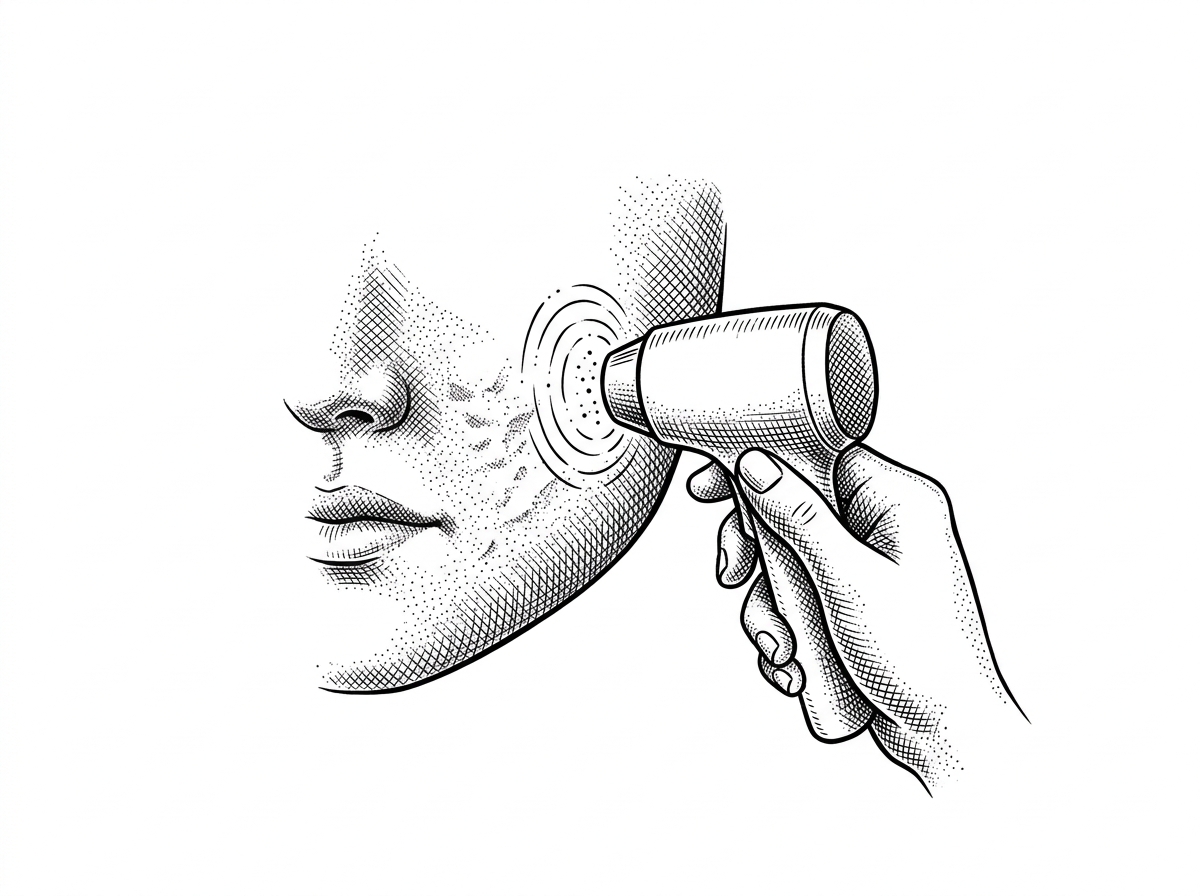
Laser treatment works by interacting with the skin's natural collagen remodeling process. Different laser technologies target different scar characteristics — redness, raised texture, pigmentation, or surface irregularity. No single laser works best for every scar type, which is why matching the right technology to the right scar is central to getting good results.
Evidence suggests that early intervention — ideally within weeks of the wound closing — may improve long-term outcomes. However, the right timing, laser type, and number of sessions depends heavily on individual scar characteristics, skin type, and medical history.
The sections below walk through the biology behind how these treatments work, which laser modalities suit which scar types, what clinical protocols look like, and what realistic outcomes to expect.
The Biological Mechanism of surgical scar laser treatment
To understand how a laser improves a scar, one must first understand what a scar actually is. Scars are the biological byproduct of the body’s attempt to repair or replace damaged skin. When an incision occurs, the body rushes to close the gap, often resulting in an collagen overproduction. This rapid response creates tissue with a different texture, tone, and structural quality than the surrounding uninjured skin.
Selective Photothermolysis and Thermal Injury
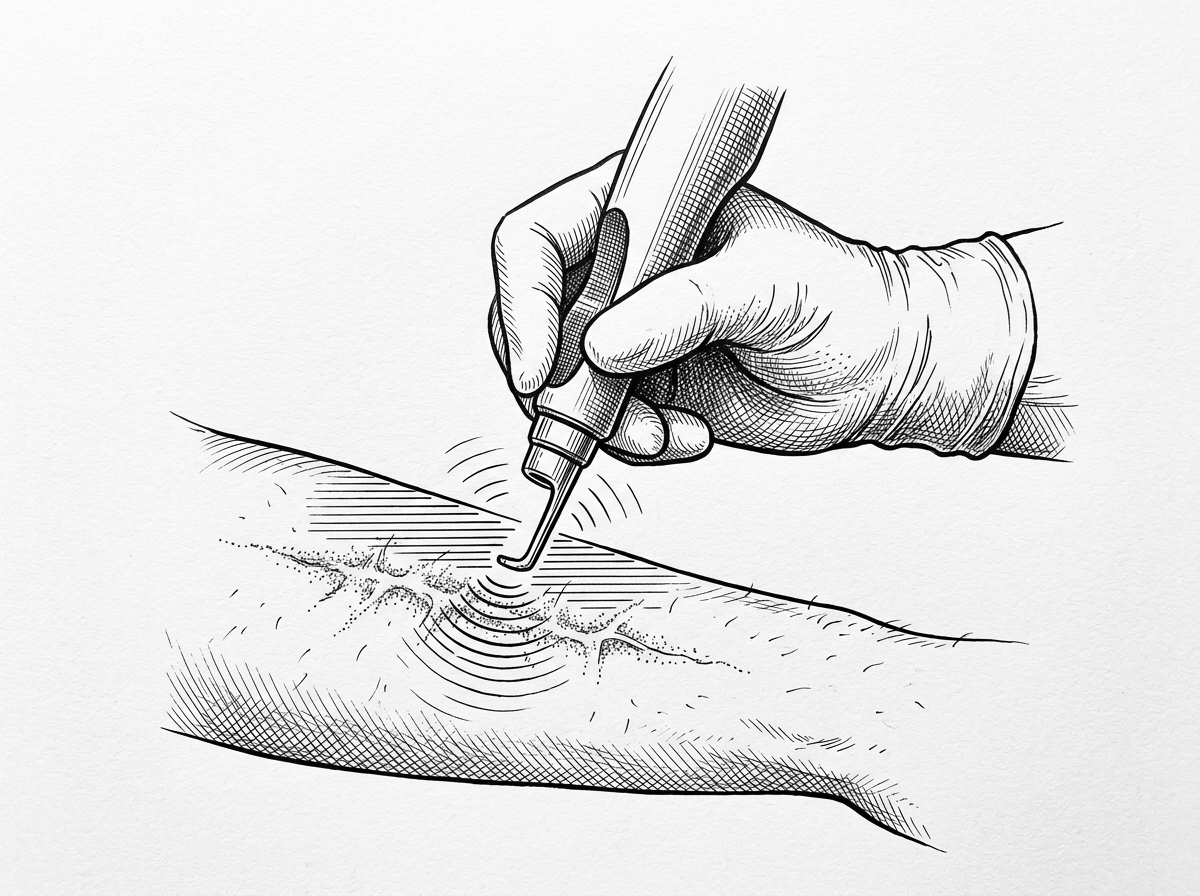
The primary principle behind surgical scar laser treatment is selective photothermolysis. This process involves using specific wavelengths of light to target "chromophores" (targets) in the skin, such as hemoglobin in red blood vessels or melanin in pigmented spots. When the laser hits these targets, light energy converts into thermal energy (heat).
This controlled thermal injury serves two purposes:
- It breaks down the disorganized, bulky collagen fibers found in scar tissue.
- It triggers a secondary healing response that encourages fibroblasts—the cells responsible for skin structure—to produce new, more organized collagen and elastin.
Micro-Thermal Zones and Remodeling
Modern treatments often utilize "fractional" technology. Instead of treating the entire surface of the scar, the laser creates thousands of microscopic columns of thermal injury, known as micro-thermal zones. Because these zones are surrounded by healthy, untreated tissue, the healing process is significantly faster.
Over the course of several months, the body undergoes a "remodeling" phase. During this time, the extracellular matrix—the scaffolding of the skin—is restructured. Research into scar pathophysiology indicates that this modulation of the wound healing cascade is essential for transitioning a thick, rigid scar into one that is softer and more pliable.

Categorizing Scars for Optimal Laser Selection
Not all surgical scars are created equal. A laser that works perfectly for a red, raised scar might be completely ineffective for a sunken, white one. Clinical assessment usually categorizes scars into four primary types:
Hypertrophic Scars
These are raised, firm scars that remain within the boundaries of the original surgical incision. They often appear red or pink due to increased blood flow. Evidence suggests that vascular-specific lasers are highly effective here, with some studies reporting a 57% to 83% improvement in clinical appearance after just one or two sessions.
Keloid Scars
Keloids are more aggressive than hypertrophic scars. They expand beyond the original incision site and can be painful or itchy. They are more prevalent in African-American, Hispanic, and Asian populations, with an incidence rate of 4% to 16%. Treating keloids requires caution, as aggressive laser settings can sometimes trigger further growth.
Atrophic Scars
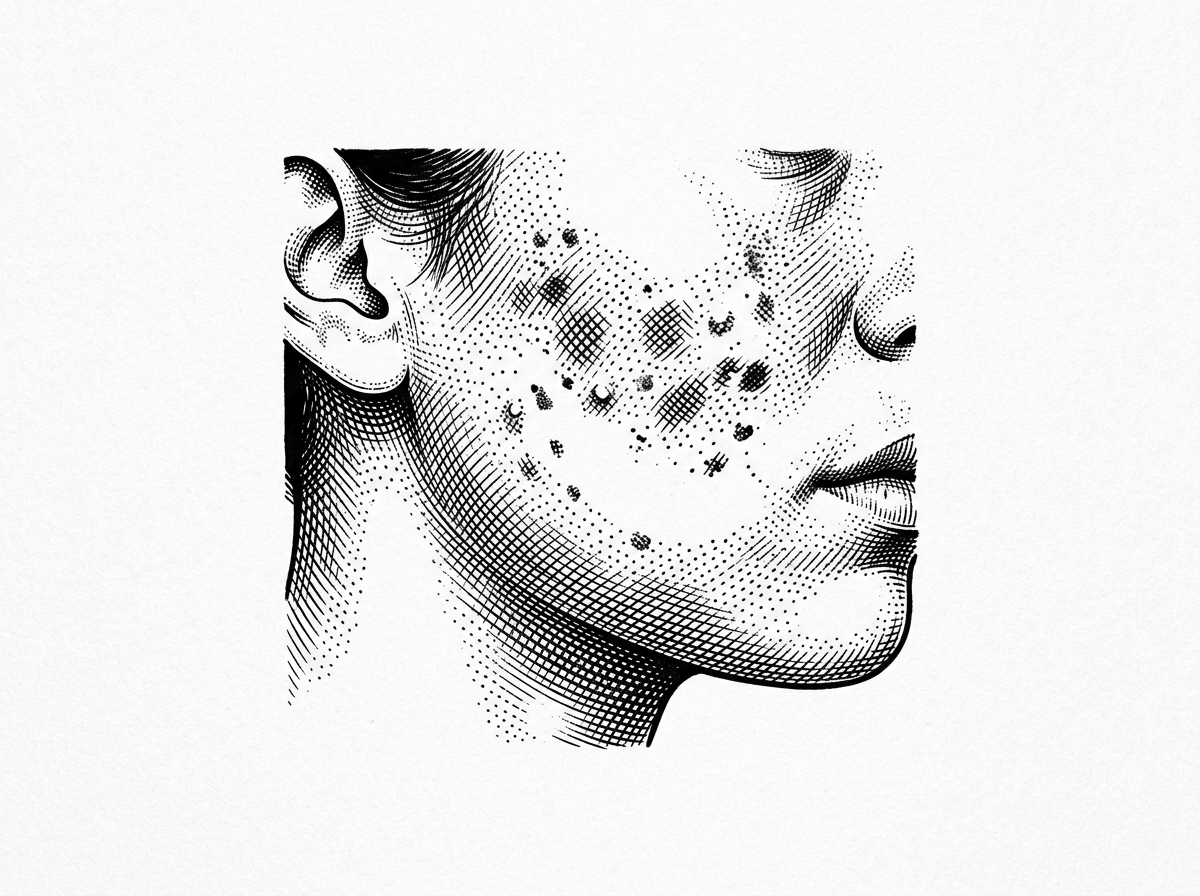
These scars appear as depressions or "pits" in the skin, often caused by a lack of underlying tissue support during healing. While more common in acne cases, they can occur after surgery if the wound edges were under significant tension. Fractional CO2 lasers are often the gold standard here, with research showing significant improvement in 70% of patients after six monthly sessions.
Erythematous and Pigmented Scars
- Erythematous: These are scars characterized by persistent redness (erythema).
- Pigmented: These scars may be darker (hyperpigmentation) or lighter (hypopigmentation) than the surrounding skin.
| Scar Type | Primary Characteristic | Recommended Laser Approach |
|---|---|---|
| Hypertrophic | Raised, stays in boundary | Pulsed Dye Laser (PDL) |
| Keloid | Raised, spreads beyond boundary | PDL + Steroid Injections |
| Atrophic | Sunken or depressed | Fractional CO2 or Er:YAG |
| Erythematous | Persistent redness | PDL or KTP Laser |
Clinical Modalities and Technology Selection
The choice of technology is the most critical factor in the success of surgical scar laser treatment. Broadly, lasers are divided into ablative (which remove the top layer of skin) and non-ablative (which heat the underlying tissue without damaging the surface).
Selecting Technology for surgical scar laser treatment
For thick, restrictive surgical scars, ablative fractional lasers are often preferred.
- Fractional CO2: This laser has a high absorption rate in water, allowing it to vaporize columns of tissue and reach deep into the dermis. Scientific research on fractional CO2 efficacy demonstrates its ability to significantly improve the texture of traumatic and surgical scars.
- Erbium:YAG (Er:YAG): This is often used for more superficial resurfacing. It causes less thermal damage to surrounding tissue than CO2, which can lead to a slightly faster recovery time. In split-scar studies, 94% of patients preferred fractional Er:YAG over fully ablative versions for surgical scar revision.
Vascular and Pigment-Specific Modalities
If the primary concern is the color of the scar rather than its texture, different wavelengths are required.
- Pulsed Dye Laser (PDL): Operating at 585-595nm, the PDL specifically targets hemoglobin. By collapsing the tiny blood vessels feeding a red scar, it "starves" the scar of the nutrients it needs to stay raised and red.
- Nd:YAG (1064nm): This laser penetrates deeper into the skin and is often used for thicker vascular components. One study reported an improvement of 40% to 45% after an average of three monthly sessions using 1320-nm Nd:YAG technology.
Clinical Protocols: Preparation and Recovery
Achieving the best results from surgical scar laser treatment requires a partnership between the patient and a board-certified dermatologist. The process is rarely a "one-and-done" event; it typically involves a series of 3 to 6 sessions spaced 4 to 8 weeks apart.
Pre-Treatment Requirements for surgical scar laser treatment
Preparation begins weeks before the first pulse of light.
- Smoking Cessation: Patients are advised to quit smoking at least 2 weeks before the procedure. Smoking impairs the blood's ability to carry oxygen, which significantly slows the skin's ability to heal and remodel.
- Product Avoidance: Discontinue the use of retinoids or glycolic acid products for 2 to 4 weeks prior to treatment to avoid excessive skin irritation.
- Sun Protection: Tanned skin cannot be safely treated with most lasers, as the laser may mistakenly target the tan instead of the scar.
- Medical History: A thorough assessment of laser safety for skin of color is essential. Patients with Fitzpatrick skin types IV through VI (darker skin tones) may require pre-treatment with skin-lightening agents like hydroquinone to minimize the risk of post-inflammatory hyperpigmentation.
Post-Procedure Care and Long-Term Maintenance
The days following the procedure are critical for preventing complications and ensuring the new collagen forms correctly.
- Cleaning: The area is typically cleaned 2 to 5 times daily with a gentle saline solution or diluted vinegar.
- Occlusion: Applying an occlusive ointment (like petroleum jelly) is necessary to keep the wound moist. A moist environment allows for faster re-epithelialization (the growth of new skin) and prevents scabbing.
- Healing Timeline: Superficial healing usually takes 5 to 21 days. However, the internal remodeling of collagen continues for months.
- Sun Avoidance: Post-treatment skin is incredibly sensitive to UV light. Strict use of broad-spectrum SPF 30+ is mandatory to prevent the new tissue from darkening.
Safety, Costs, and Realistic Expectations
While surgical scar laser treatment is generally safe, it is not without risks. Patients must enter the process with realistic expectations: a laser cannot "erase" a scar; it can only replace a prominent scar with a much less noticeable one.
Potential Side Effects
- Transient Hyperpigmentation: About 45.5% of patients with darker skin tones may develop temporary darkening of the treated area. In 90% of cases, this resolves within three months.
- Erythema: Redness is a normal part of the healing process and can last from a few days (non-ablative) to several months (ablative).
- Milia: Small white bumps may form as the skin heals. These can usually be managed with gentle exfoliation or a quick visit to the dermatologist.
Investment and Coverage
According to data from the American Society of Plastic Surgeons, the average cost for laser skin resurfacing varies significantly depending on whether an ablative or non-ablative laser is used. Because most insurance companies categorize scar revision as a cosmetic procedure, it is rarely covered unless the scar causes functional impairment (such as restricting joint movement).
Conclusion
Frequently Asked Questions
When is the best time to start laser treatment after surgery? While many providers traditionally suggested waiting six months, newer research suggests that early intervention—sometimes as soon as the sutures are removed or within 6 to 10 weeks—can actually prevent hypertrophic scars from forming.
Can laser treatment completely remove my surgical scar? No. The American Academy of Dermatology emphasizes that laser treatment is not a cure. It improves the texture, color, and flexibility of the scar, making it blend in with the surrounding skin, but it does not return the skin to its pre-surgical state.
Is the procedure painful? Most patients describe the sensation as a rubber band snapping against the skin. Topical numbing creams are applied 30 to 60 minutes before the session to minimize discomfort.
Summary of Key Takeaways
At Scar Healing, the focus is on understanding the science behind skin regeneration. Successful surgical scar laser treatment is a marathon, not a sprint. It requires a tailored approach based on the specific type of scar, the patient’s skin type, and a commitment to meticulous post-operative care. By leveraging technologies like fractional CO2 and PDL, patients can see dramatic improvements in their skin's appearance and their own quality of life.
For more information on the science of skin repair, explore More info about scar healing.
This content is for informational purposes only and does not constitute medical advice. Consult a qualified healthcare professional for diagnosis and treatment.