The Ultimate Guide to Pimple Marks Removal and Spotless Skin
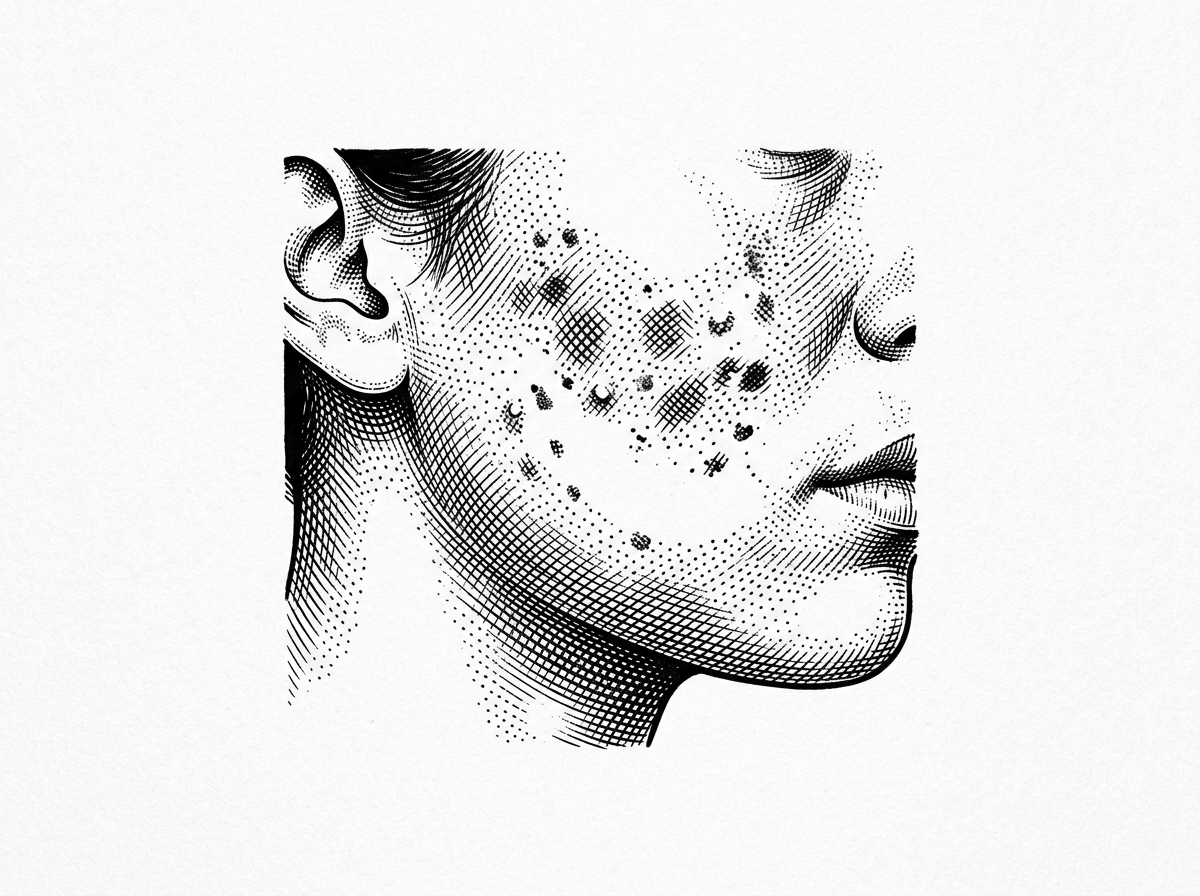
What Pimple Marks Removal Actually Requires — and What the Evidence Shows
Pimple marks removal is one of the most searched skin concerns worldwide — and for good reason. Acne affects up to 80% of people between the ages of 11 and 30, and for many, the breakouts themselves are only half the problem. What lingers after — the dark spots, red patches, and pitted skin — can persist for months or years.
Here is a quick overview of what works, based on clinical evidence:
| Mark or Scar Type | What It Is | Evidence-Based Options |
|---|---|---|
| Post-inflammatory hyperpigmentation (PIH) | Flat dark or brown spots | Sunscreen, retinoids, niacinamide, vitamin C, chemical peels |
| Post-inflammatory erythema (PIE) | Flat red or pink marks | Pulsed dye laser, niacinamide, time |
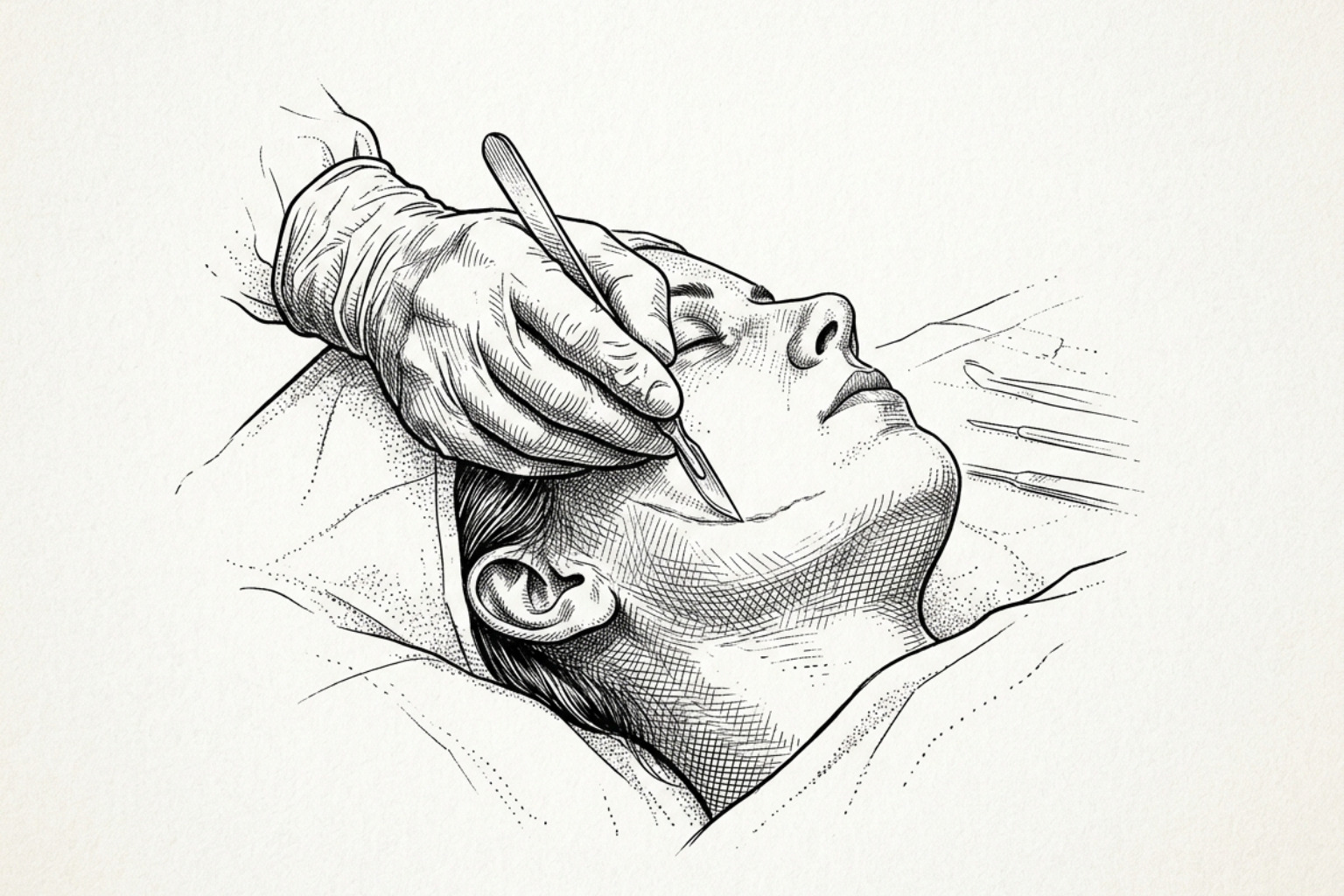
| Atrophic scars (ice pick, boxcar, rolling) | Pitted or depressed skin | Microneedling, fractional laser, subcision, fillers |
| Hypertrophic / keloid scars | Raised, thickened skin | Silicone gel, steroid injections, cryotherapy, laser |
Key point: flat marks (PIH, PIE) are not true scars. They involve pigment or vascular changes, not structural tissue damage. They respond better to topical treatments and fade faster than true scars.
There is an important distinction that most people miss. When a pimple heals, it can leave behind two very different things:
- A pigmented or vascular mark — flat, affecting only color, caused by excess melanin or dilated capillaries
- A structural scar — affecting skin texture and depth, caused by collagen loss or excess fibrosis
These require fundamentally different approaches. Treating a pitted atrophic scar the same way as a flat dark spot will not produce results.
Research published in Dermatology Research and Practice (Fabbrocini et al., 2010) confirms that acne scar formation results from an imbalance in the wound healing process — specifically in how the skin produces and degrades collagen. Too little collagen leads to depressed atrophic scars; too much leads to raised hypertrophic scars or keloids.
The frustrating reality is that 80%–90% of acne patients develop atrophic scars, which do not resolve on their own. And even flat dark marks can take 12 months or longer to fade without targeted treatment.
This guide walks through the biology of how pimple marks form, what the clinical evidence says about treatment options — from topical agents to professional procedures — and how to set realistic expectations for different skin types and scar categories.
Pathophysiology of Post-Acne Erythema and Hyperpigmentation
To understand pimple marks removal, one must first understand why the skin changes color after a breakout. When a pore becomes clogged and infected, the body initiates an inflammatory response. This biological "alarm system" sends white blood cells to the area, but the process often causes collateral damage to the surrounding skin tissue.
In the aftermath of this inflammation, two primary types of marks form:
- Post-Inflammatory Hyperpigmentation (PIH): This occurs when inflammation triggers melanocytes—the cells responsible for skin pigment—to overproduce melanin. The result is a flat tan, brown, or black spot. This is particularly common in darker skin tones (Fitzpatrick scales IV-VI).
- Post-Inflammatory Erythema (PIE): This manifests as red or pink marks, primarily in lighter skin tones. It is caused by damage or dilation of the tiny capillaries near the skin surface during the inflammatory phase.
As the skin attempts to heal, it undergoes dermal remodeling. If the inflammation was superficial, the epidermal turnover—the process where the skin sheds old cells and replaces them with new ones—will eventually clear the excess pigment. However, if the inflammation was deep or prolonged, the "staining" can reach the deeper dermis, making removal much more difficult. Scientific research on acne scar pathogenesis indicates that the severity of the initial inflammation is the single greatest predictor of whether a permanent mark or scar will remain.
Distinguishing Between Pigmented Marks and Structural Scars
It is medically vital to distinguish between a "mark" and a "scar." A mark is a change in color on a smooth surface. A scar is a change in the physical architecture of the skin.
- Atrophic Scars: These are sunken or pitted areas caused by a loss of underlying support structures, namely collagen and fat, during the healing process.
- Hypertrophic Scars: These are raised, firm bumps caused by the over-proliferation of collagen tissue. Unlike marks, these structural changes rarely resolve without clinical intervention.
The Role of Melanin and Vascular Response in Pimple Marks Removal
The biological engine behind dark marks is an enzyme called tyrosinase, which catalyzes the production of melanin. Most topical treatments for pimple marks removal work by inhibiting this enzyme. On the vascular side, PIE involves lingering hemoglobin from broken vessels. While melanin-based spots respond well to brightening agents, vascular red marks often require treatments that target the blood vessels themselves or simply require more time for the capillaries to constrict naturally.
Clinical Classification of Atrophic and Hypertrophic Scars
Dermatologists classify structural acne scars based on their shape, depth, and the way they affect the skin's surface. This classification is essential because each type responds to different medical modalities.
| Scar Type | Visual Description | Clinical Characteristic |
|---|---|---|
| Ice Pick | Very narrow (<2mm), deep pits | Resemble a puncture from a sharp tool; extend into the deep dermis. |
| Boxcar | Round or oval depressions with sharp vertical edges | Similar to chickenpox scars; can be shallow or deep. |
| Rolling | Wide, shallow undulations | Caused by fibrous bands of tissue pulling the skin down from below. |
| Hypertrophic | Raised, firm ridges | Stay within the boundary of the original wound. |
| Keloid | Large, thick, raised growths | Can grow much larger than the original pimple; common on the jawline and chest. |
Statistical Prevalence of Acne Scarring
The impact of acne is widespread, but the legacy it leaves in the form of scars is remarkably consistent across populations. According to research published in Dermatology Research and Practice (Fabbrocini et al., 2010):
- 80%–90% of patients with acne scars have atrophic (depressed) types.
- 60%–70% of those atrophic scars are classified as "ice pick" scars.
- 20%–30% are boxcar scars.
- 15%–25% are rolling scars.
Mechanisms of Tissue Loss and Fibrosis
The formation of these scars depends on the behavior of fibroblasts—the cells that build the skin's extracellular matrix. During a severe breakout, enzymes called matrix metalloproteinases (MMPs) are released to clear away damaged tissue. If the body produces too many MMPs and not enough tissue inhibitors, the skin "eats" too much of its own collagen, resulting in a hole or atrophic scar. Conversely, if the wound healing phases are interrupted by excess tension or genetic predisposition, fibrosis (thickened scar tissue) occurs, leading to raised scars.
Evidence-Based Professional Interventions for Pimple Marks Removal
When at-home skincare is insufficient, clinical procedures offer more significant results. These treatments generally work by creating a controlled injury to the skin, which forces the body to restart the healing process and produce fresh, organized collagen. Mayo Clinic expertise on acne scar treatments suggests that no single treatment is perfect for everyone; often, a combination of techniques yields the best results.
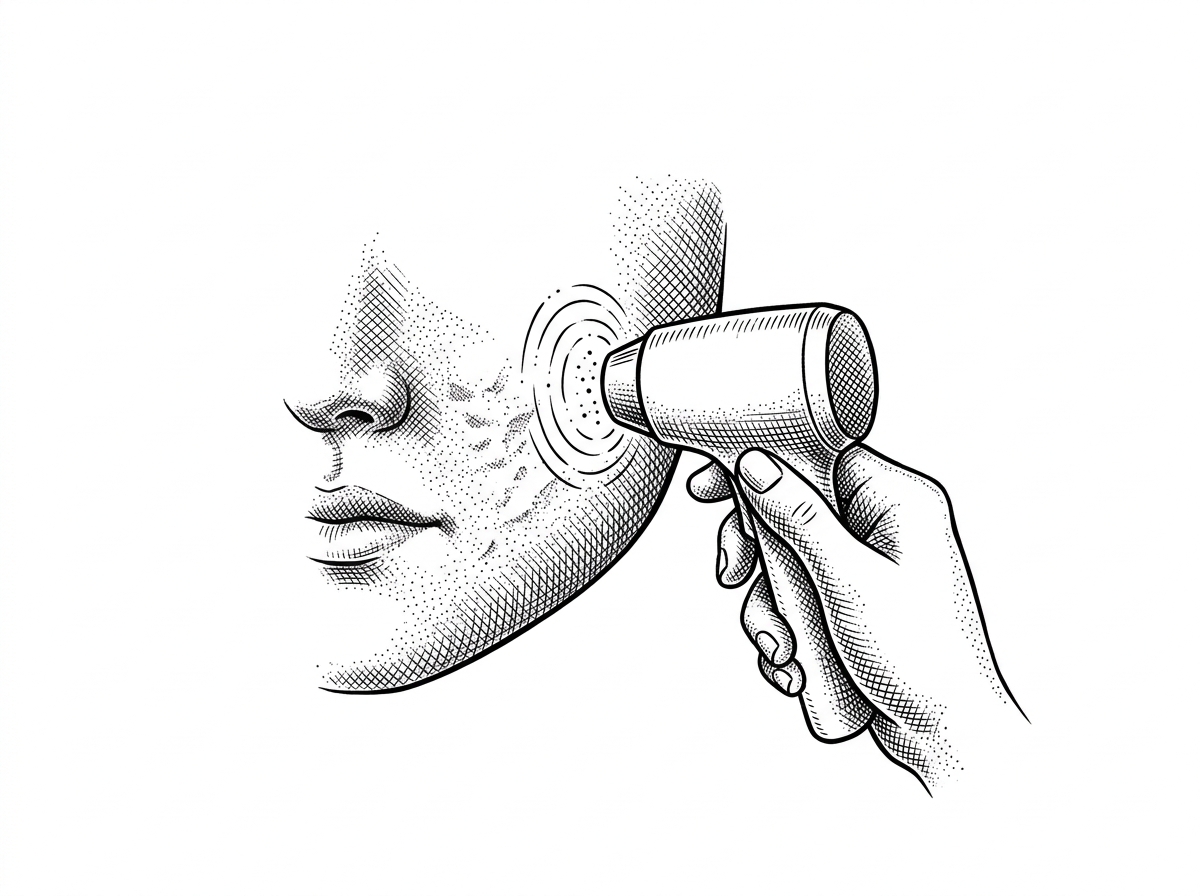
Laser Therapy and Fractional Photothermolysis
Laser technology has transformed pimple marks removal.
- Ablative Lasers: These (like CO2 lasers) remove the outer layer of skin. They are highly effective for deep scars but require significant downtime.
- Non-Ablative Lasers: These heat the underlying dermal tissue without damaging the surface, stimulating collagen with less recovery time.
- Fractional Photothermolysis: This technique creates thousands of microscopic "treatment zones" while leaving the surrounding skin intact. This "bridge" of healthy skin allows for much faster healing.
Chemical Reconstruction and Peeling Agents
Chemical peels use acids to exfoliate the skin and stimulate remodeling.
- Glycolic and Salicylic Acid: These are common for superficial marks and active acne.
- Trichloroacetic Acid (TCA): A stronger acid used for deeper peeling.
- CROSS Technique: (Chemical Reconstruction of Skin Scars) involves applying high-concentration TCA (50-90%) directly into ice pick scars. This focal application triggers a localized inflammatory response that "fills" the pit with new collagen. Scientific research on chemical peels confirms this is one of the most effective ways to treat deep, narrow scarring.
Topical Pharmacotherapy and Home Care Strategies
For many, the first line of defense in pimple marks removal is a consistent home routine. The goal of topical therapy is to speed up cell turnover and inhibit the production of new pigment.
- Retinoids (Tretinoin, Adapalene): These are considered the "gold standard." They increase epidermal shedding, helping "un-stain" the skin by cycling out pigmented cells faster. They also stimulate collagen production in the dermis.
- Vitamin C (Ascorbic Acid): A potent antioxidant that interferes with the tyrosinase enzyme, preventing new melanin from forming.
- Niacinamide (Vitamin B3): This helps reduce inflammation and prevents the transfer of pigment within the skin layers. It is also highly effective for the redness seen in PIE.
- Azelaic Acid: Naturally occurring in grains, this acid specifically targets overactive melanocytes while leaving normal pigment alone, making it very safe for long-term use.
Topical Agents and Home Care Strategies for Pimple Marks Removal
Consistency is more important than potency. Most clinical studies show that topical agents require at least 8 to 12 weeks of daily use before significant changes are visible. Over-exfoliating with harsh scrubs can actually worsen pimple marks removal by causing more inflammation, which triggers even more melanin production.
The Critical Role of Ultraviolet Protection in Preventing Permanent Discoloration
Sunscreen is not an "optional" step; it is the most critical part of the treatment. UV radiation darkens existing marks and can turn a temporary red mark into a permanent brown spot. Clinical consensus suggests using a broad-spectrum SPF 30+ every single day, even when indoors, as UVA rays can penetrate window glass.
Specialized Considerations for Pimple Marks Removal in Darker Skin Tones
Skin of color (Fitzpatrick types IV-VI) requires a cautious approach. While these skin types are genetically more protected against skin cancer, they are significantly more prone to PIH. A minor pimple that would leave a faint pink mark on fair skin can leave a deep, long-lasting dark patch on melanin-rich skin. AAD guidance on clearing acne in darker skin tones emphasizes that treating the acne early is the best way to prevent the marks from ever forming.
Risk Mitigation in Laser and Chemical Treatments
Certain aggressive treatments, like high-intensity dermabrasion or certain ablative lasers, can cause "rebound hyperpigmentation" or even permanent white spots (hypopigmentation) in darker skin. Modern fractional technology and low-fluence Nd:YAG lasers have made professional pimple marks removal much safer for these skin types.
Clinical Efficacy and Safety Profiles for Melanin-Rich Skin
Research specifically looking at peels for dark skin suggests that salicylic acid and lower-concentration glycolic acid are generally safer than deep TCA peels. Many dermatologists recommend "priming" the skin with hydroquinone or azelaic acid for several weeks before any professional procedure to "quiet" the pigment-producing cells.
Frequently Asked Questions about Pimple Marks
How long does it typically take to see improvement in pimple marks?
Flat pigmented marks (PIH) usually take 3 to 6 months to fade with topical treatment, though they can take up to a year without help. Structural scars are permanent and will not improve without professional medical procedures. Improvements from lasers or microneedling are usually seen 3 to 6 months after the final session, as collagen takes time to rebuild.
Can atrophic acne scars be completely removed or only improved?
Medical consensus is that scars can be significantly improved—often by 50% to 80%—but they are rarely "erased" entirely. The goal of pimple marks removal for structural scars is to smooth the texture so the scars are no longer visible under normal lighting.
When is it medically necessary to consult a dermatologist for scarring?
You should see a specialist if your acne is cystic or painful (as this almost always leads to scarring), if your marks are pitted or raised, or if the marks are causing significant emotional distress. Early intervention is the most effective way to prevent permanent changes to skin texture.
Conclusion
The journey toward pimple marks removal is a marathon, not a sprint. Whether dealing with the temporary pigment of PIH or the structural changes of boxcar and ice pick scars, success depends on matching the treatment to the specific biological cause. Prevention remains the most powerful tool: treating acne as soon as it appears and resisting the urge to pick or squeeze can save years of corrective work. With modern advancements in fractional lasers, specialized chemical peels, and potent topicals, achieving smoother, clearer skin is more attainable than ever before.
Works Cited
- Fabbrocini, G., et al. (2010). "Acne Scars: Pathogenesis, Classification and Treatment." Dermatology Research and Practice. doi:10.1155/2010/893080.
- Jacob, C. I., et al. (2001). "Acne scarring: a classification system and review of treatment options." Journal of the American Academy of Dermatology. doi:10.1067/mjd.2001.113451.
- Al-Waiz, M. M., & Al-Sharqi, A. I. (2002). "Medium-depth chemical peels in the treatment of acne scars in dark-skinned individuals." Dermatologic Surgery. doi:10.1046/j.1524-4725.2002.01081.x.
- Mayo Clinic. (2023). "Acne scars: What's the best treatment?" Mayo Clinic Press.
- American Academy of Dermatology. (2023). "10 tips for clearing acne in darker skin tones."
This content is for informational purposes only and does not constitute medical advice. Consult a qualified healthcare professional for diagnosis and treatment.