The Best Lasers for Surgical Scars and How They Work
Laser treatment uses focused light energy to remodel surgical scar tissue, improving texture, color, and flexibility. Explore the best laser types and what each one does.

What Is Laser Treatment for Surgical Scars?
Laser treatment for surgical scars is a clinically established procedure that uses focused light energy to remodel scar tissue, improving its texture, color, and flexibility — without completely erasing it.
Here is a quick overview of what the evidence shows:
| Question | Short Answer |
|---|---|
| Does it remove scars entirely? | No — it makes them significantly less noticeable |
| How much improvement is possible? | Evidence suggests 50–75% improvement with fractional lasers |
| How many sessions are needed? | Typically 3–12 sessions, spaced monthly |
| When can treatment start? | As early as 2–4 weeks post-surgery, or up to 6 months later |
| Who should perform it? | A board-certified dermatologist or plastic surgeon |
| Is it covered by insurance? | Usually not — generally considered cosmetic |
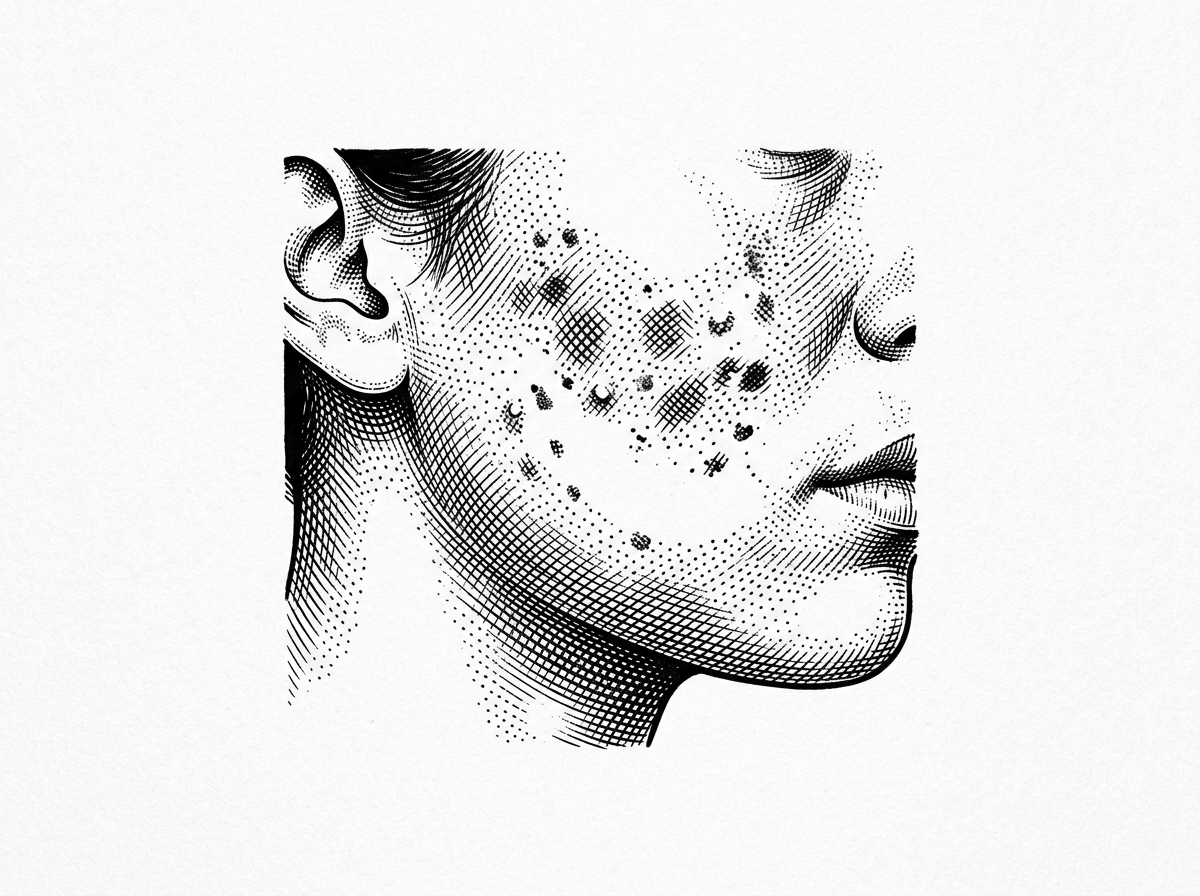
Surgical scars form as a natural part of the skin's wound-healing process. The body lays down collagen rapidly to close a wound, and the result is often fibrous tissue that looks, feels, and behaves differently from the surrounding skin. It may be raised, discolored, tight, itchy, or painful.
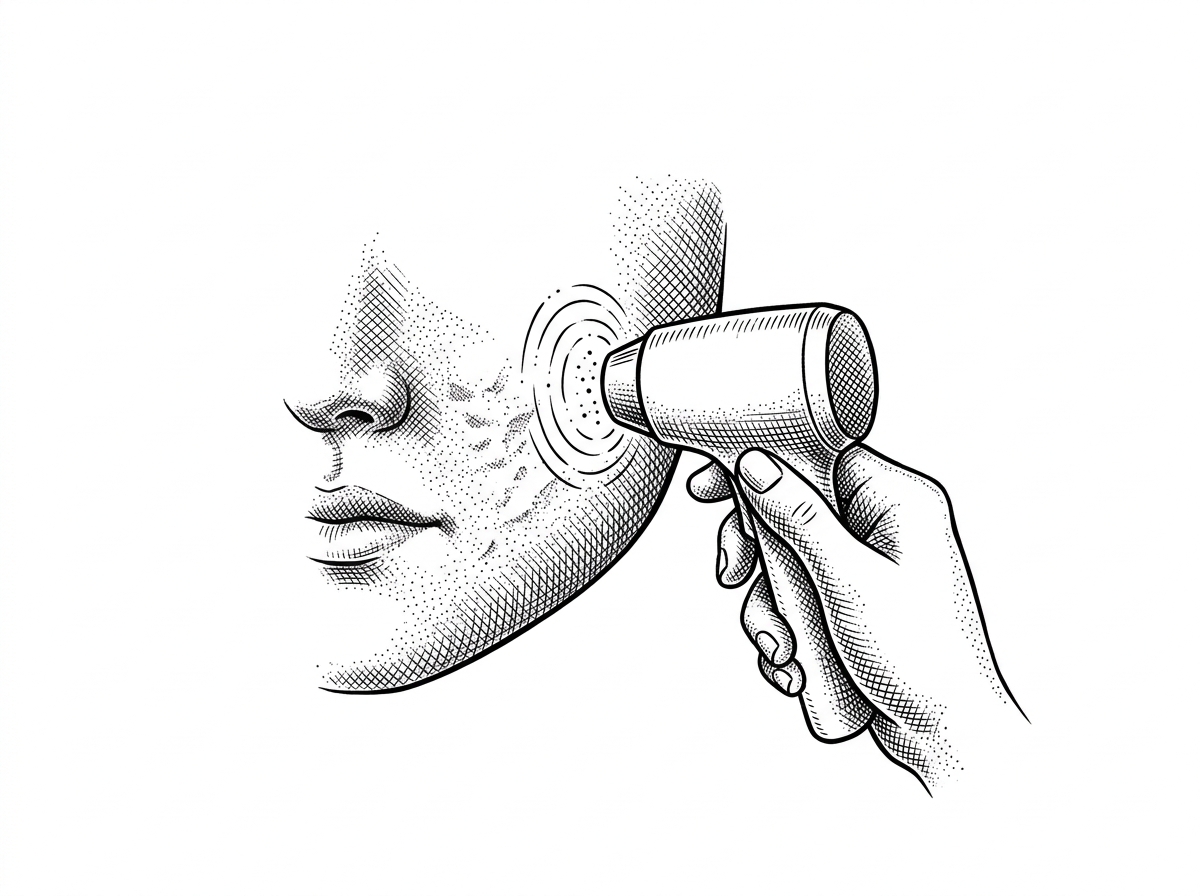
Lasers work by targeting this abnormal tissue with precise wavelengths of light. Depending on the system used, they either remove thin layers of damaged skin or create controlled micro-injuries beneath the surface — both of which stimulate the body's own repair processes to produce more organized, normal-looking tissue.
The American Academy of Dermatology notes that laser treatment does not eliminate a scar; rather, it replaces a more noticeable scar with a less noticeable one. That distinction matters when setting realistic expectations.
This guide covers the science, clinical options, timing, preparation, risks, and aftercare involved in laser scar revision — so readers can approach a consultation with a clear, evidence-informed understanding of what the procedure can and cannot do.
The Science Behind Laser Treatment for Surgical Scars
At the heart of laser treatment for surgical scars is a principle called selective photothermolysis. This sounds like a mouthful, but it simply means using a specific wavelength of light to target a specific "chromophore" (like water, melanin, or hemoglobin) in the skin without damaging the surrounding tissue.
When a laser hits the scar, it delivers thermal energy that triggers a cascade of biological responses. The primary goal is collagen remodeling. In a surgical scar, collagen fibers are often bunched up or arranged haphazardly. Laser energy breaks down these disorganized bundles and stimulates fibroblasts—the architect cells of the skin—to produce new, more orderly Type I collagen and elastin.
Research into Laser Therapy of Traumatic and Surgical Scars and an Algorithm for Their Treatment suggests that an algorithmic approach, which considers the scar's age, thickness, and color, is essential for choosing the right laser. By creating "thermal micro-zones"—tiny columns of heat—lasers can kickstart the body’s natural regenerative powers while leaving "islands" of healthy tissue to speed up the healing process.
Mechanisms of Tissue Regeneration
The magic happens through several pathways:
- Fractional Resurfacing: By treating only a fraction of the skin (often 1–5% per session), the laser creates microscopic treatment zones that trigger deep remodeling without creating a massive open wound.
- Hemoglobin Targeting: For red, angry-looking scars, certain lasers target the blood vessels (hemoglobin), essentially "starving" the scar of the excess blood flow that keeps it inflamed.
- Melanin Absorption: Lasers can break up excess pigment in dark scars, helping them blend into the surrounding skin.
- Dermal Thickening: By stimulating the extracellular matrix, lasers can help "plump up" atrophic (pitted) scars, making the skin surface more level.
Clinical Modalities: Ablative vs. Non-Ablative Systems
Not all lasers are created equal. Choosing the right one is like picking the right tool for a home renovation; you wouldn't use a sledgehammer where a fine paintbrush is required.

Ablative vs. Non-Ablative Laser Treatment for Surgical Scars
The biggest divide in laser technology is between ablative and non-ablative systems.
Ablative Lasers (e.g., CO2 and Erbium:YAG): These are the heavy hitters. They work by vaporizing the top layers of the skin (the epidermis) while heating the deeper dermis. This "controlled damage" forces the skin to regrow from scratch.
- Pros: Often requires fewer sessions; excellent for thick, raised hypertrophic scars.
- Cons: Longer recovery (up to 2 weeks of redness and peeling); higher risk of pigment changes.
Non-Ablative Lasers (e.g., Pulsed Dye Laser and Nd:YAG): These lasers leave the surface of the skin intact. They penetrate deep into the dermis to stimulate collagen and target blood vessels without "wounding" the top layer.
- Pros: Minimal to no downtime; lower risk of complications.
- Cons: Requires more sessions (usually 4–6) to see significant results.
| Laser Type | Best For | Recovery Time | Sessions Needed |
|---|---|---|---|
| Fractional CO2 | Thick, raised, or textured scars | 7–14 days | 1–3 |
| Pulsed Dye (PDL) | Red, inflamed, or itchy scars | 1–3 days | 2–5 |
| Non-Ablative Fractional | Mild texture issues, early scars | 0–2 days | 3–6 |
| Q-Switched | Darkly pigmented scars | 2–5 days | 3–8 |
Vascular and Pigment-Specific Lasers
For scars that are primarily a color problem, specialists often turn to targeted light therapies. The Pulsed Dye Laser (PDL), often referred to by the brand name V-Beam, is the gold standard for erythematous (red) scars. It can improve hypertrophic and keloid scars by 57% to 83% in just one or two treatments by collapsing the tiny blood vessels fueling the scar's growth. If the scar is dark or brown, Q-switched lasers or Intense Pulsed Light (IPL) can be used to suppress melanin and even out the skin tone.
Patient Selection and Optimal Timing
Who is the "perfect" candidate for laser treatment for surgical scars? Generally, it's someone in good health with realistic expectations. However, skin type plays a massive role. Doctors use the Fitzpatrick Scale to categorize skin from Type I (very fair, always burns) to Type VI (deeply pigmented). Those with darker skin phenotypes (Types IV–VI) are at a higher risk for post-inflammatory hyperpigmentation (PIH) and require more conservative laser settings.
Ideal Timing for Laser Treatment for Surgical Scars
One of the most debated topics is when to start. Old-school wisdom suggested waiting a year for the scar to "mature." However, modern clinical guidelines for scar management suggest that early intervention may actually prevent a bad scar from forming in the first place.
- The Early Window (2–6 weeks): Using non-ablative or vascular lasers during the early inflammatory phase can reduce redness and prevent the overproduction of collagen that leads to raised scars.
- The Mature Phase (6+ months): Once a scar has turned white and flat, ablative fractional lasers are typically used to "refine" the texture and blend it with surrounding skin.
Contraindications and Risk Factors
Laser treatment isn't for everyone. A dermatologist will likely advise against it if the patient has:
- An active skin infection or cold sore outbreak in the area.
- Used Isotretinoin (Accutane) within the last 6–12 months (this can impair healing).
- A history of vitiligo, as the laser could trigger new patches.
- Uncontrolled diabetes or autoimmune conditions that slow wound healing.
The Clinical Procedure: Preparation to Recovery
Preparation is half the battle. To get the best results from laser treatment for surgical scars, patients must follow a strict pre-treatment protocol.
Pre-Treatment Protocols
The American Academy of Dermatology recommends several key steps:
- Stop Smoking: Quit at least 2 weeks before treatment. Smoking constricts blood vessels and significantly impairs the skin’s ability to heal.
- Sun Avoidance: This is non-negotiable. A tan (even a fake one) increases the risk of a laser burn.
- Medication Check: Stop using products containing glycolic acid or retinoids for 2–4 weeks. Avoid blood thinners like aspirin or vitamin E supplements, which can increase bruising.
- Antivirals: If the patient has a history of cold sores, a doctor may prescribe an antiviral medication to prevent a flare-up triggered by the laser's heat.
Step-by-Step Treatment Process
On the day of the procedure, the area is cleaned, and a topical numbing cream is usually applied for 30–60 minutes. Both the patient and the provider wear protective eyewear—lasers are incredibly bright and can damage the retina.
The provider then makes several "passes" over the scar with the laser handpiece. Many modern lasers include a cooling sapphire tip or a spray of cold air to protect the skin surface and keep the patient comfortable. Once finished, a thick antimicrobial ointment or a specialized dressing is applied.
Post-Procedure Healing Timeline
Recovery depends entirely on the laser used:
- Days 1–2: Swelling and redness are common. The skin may feel like a bad sunburn.
- Days 3–7: For fractional lasers, "micro-crusting" or peeling occurs. It is vital not to pick at these spots.
- Weeks 2–4: The initial redness fades.
- Months 1–6: This is the "hidden" healing phase. Collagen synthesis continues long after the surface has healed, with the final results often appearing 3 to 6 months after the last session.
Efficacy, Safety, and Financial Considerations
What does success look like? While a 100% "disappearance" is rare, a 50–75% improvement in the appearance of a surgical scar is a realistic goal with fractional technologies.
Potential Risks and Complications
No medical procedure is without risk. Potential side effects include:
- Milia: Small white bumps that can form as the skin heals.
- Hyperpigmentation: Darkening of the skin, usually temporary but sometimes persistent in darker skin types.
- Infection: Rare, but possible if post-care instructions aren't followed.
- Herpes Reactivation: The heat can trigger a dormant cold sore virus.
Cost Analysis and Insurance Coverage
Because laser treatment for surgical scars is usually performed to improve appearance, insurance companies typically label it "cosmetic" and won't cover it. However, if the scar is functional—meaning it limits joint movement, causes chronic pain, or is the result of a reconstructive surgery (like a mastectomy)—there may be a case for coverage.
Ablative treatments generally cost more per session than non-ablative ones, but they often require fewer visits. Most patients find they need a series of 3 to 12 sessions to achieve their desired outcome.
Maximizing Outcomes with Integrated Aftercare
The work doesn't end when the laser turns off. In fact, post-treatment care is arguably the most important factor in preventing the scar from returning or darkening.
The Critical Role of Sun Protection
After a laser treatment, the skin is incredibly vulnerable to UV radiation. Sun exposure can cause the treated area to turn dark brown (hyperpigmentation) or even cause new scarring. Patients should use a broad-spectrum SPF 30+ physical blocker (containing zinc oxide or titanium dioxide) every single day, even if it's cloudy.
Combination Therapy Approaches
Lasers often play better with friends. To get the absolute best results, dermatologists often combine laser treatment for surgical scars with other modalities:
- Silicone Gel/Sheeting: Helps maintain hydration and flattens raised scars.
- Corticosteroid Injections: Often used alongside lasers to flatten stubborn keloids or hypertrophic scars.
- Dermal Fillers: Can be used to "lift" atrophic surgical scars that have left a depression in the skin.
- Mechanical Massage: Once the skin has healed, massage can help break up internal scar adhesions.
For more evidence-based tips on keeping skin healthy during the healing process, you can find more info about scar management at our dedicated resource center.
Frequently Asked Questions about Laser Scar Revision
Can laser treatment completely remove a surgical scar?
No. A laser cannot "undo" the fact that the skin was cut. It works by remodeling the tissue so that it looks and feels more like the surrounding skin. The goal is to make the scar so faint that it is no longer the first thing people notice.
How many sessions are typically required for visible results?
Most patients see initial changes after the first or second session, but a full course usually requires 3 to 6 sessions for non-ablative lasers and 1 to 3 for ablative systems.
Is the procedure painful for most patients?
With topical numbing cream, most patients describe the sensation as a series of hot rubber band snaps. While uncomfortable, it is usually very brief and well-tolerated.
Conclusion
Laser treatment for surgical scars represents a significant leap in dermatological science. While it isn't a "magic wand" that can erase the past, it is a powerful tool for those looking to improve the comfort and appearance of their skin. By choosing a qualified, board-certified professional and committing to a rigorous aftercare routine, patients can achieve life-changing results.
Whether you are dealing with a fresh incision or a decades-old mark, understanding the biology of healing is the first step toward a smoother future. For those looking to dive deeper into the science of skin regeneration, visit scar-healing.com for more peer-reviewed guides.
This content is for informational purposes only and does not constitute medical advice. Consult a qualified healthcare professional for diagnosis and treatment.