Laser Treatment for Scars and How to Choose Your Tech
Not all lasers work the same way on scars. This guide walks you through the most effective laser types for scar revision and how to choose the right one for your skin.

Choosing the Right Laser for Scar Revision: What the Evidence Shows
Laser treatment for scars is one of the most clinically studied approaches to scar revision available today — but not all lasers work the same way, and not all scars respond to the same technology.
Here is a quick-reference guide to help match scar type to laser category:
| Scar Type | Best-Supported Laser Option | Key Benefit |
|---|---|---|
| Red/raised (hypertrophic) | Pulsed Dye Laser (PDL) | Reduces redness, flattens tissue |
| Atrophic (acne, injury) | Fractional CO2 or Er:YAG | Stimulates collagen, improves texture |
| Keloid | PDL or fractional ablative | Reduces bulk, limits recurrence |
| Burn/contracture | Fractional CO2 (SCAAR FX) | Improves mobility, reduces thickness |
| Pigmented scars | Nd:YAG or fractional nonablative | Blends tone with surrounding skin |
It is important to set realistic expectations from the start. Laser therapy does not erase scars. What it does — when correctly matched to scar type and skin tone — is replace a more visible scar with a less noticeable one, while potentially improving symptoms like itching, pain, and restricted movement.
The range of available technologies is wide. Ablative lasers like CO2 and erbium remove the outer skin layer entirely. Non-ablative lasers heat deeper tissue without surface damage. Fractional versions of both deliver energy in microscopic columns, reducing side effects while still triggering collagen remodeling. Each approach carries a different recovery profile, risk level, and evidence base.
This guide reviews the major laser technologies used in scar revision, what clinical research says about each, and how patient-specific factors — including skin tone, scar maturity, and medical history — influence which option may be most appropriate.
This content is for informational purposes only and does not constitute medical advice. Consult a qualified healthcare professional for diagnosis and treatment.
Important laser treatment for scars terms:
Understanding Laser Treatment for Scars
To understand how laser treatment for scars works, one must first look at the biology of the scar itself. Scars are the result of a chaotic wound-healing response. When the dermis is injured, the body rushes to close the gap, often resulting in an irregular extracellular matrix where collagen fibers are bundled haphazardly rather than in the organized, "basket-weave" pattern of healthy skin.
Laser technology utilizes the principle of targeted photothermolysis. This involves using specific wavelengths of light to target "chromophores" in the skin—such as water, hemoglobin (in blood vessels), or melanin (pigment). When the laser hits these targets, light energy converts to thermal energy (heat), causing controlled damage to the scar tissue while sparing the surrounding healthy skin.

Collagen Induction and Dermal Remodeling
The primary goal of most laser therapies is to initiate a "controlled injury" that triggers the body’s natural repair mechanisms. In the case of atrophic or depressed scars, the heat stimulates fibroblasts—the cells responsible for collagen production. As new collagen and elastin fibers form, they help fill in the depressions and normalize the skin's texture.
Fractional Technology and Thermal Zones
Modern scar revision has been transformed by fractional technology. Instead of treating the entire surface of the skin (full-field), fractional lasers deliver energy in thousands of microscopic columns known as microthermal treatment zones (MTZs). Because these zones are surrounded by islands of untreated tissue, the "epidermal repair" is significantly faster, and the risk of complications is lower. This allows for deeper dermal remodeling without the extensive downtime associated with older, fully ablative systems.
Evidence suggests that laser revision of scars is most effective when the technology is tailored to the scar's specific stage of maturity and physical characteristics.
Ablative vs. Non-Ablative Laser Treatment for Scars
The choice between ablative and non-ablative lasers is often a balance between the desired level of clinical improvement and the patient's tolerance for downtime.
| Feature | Ablative Lasers (CO2, Er:YAG) | Non-Ablative Lasers (Nd:YAG, Diode) |
|---|---|---|
| Mechanism | Vaporizes the epidermis and top layer of dermis | Heats the dermis without damaging the surface |
| Primary Goal | Significant resurfacing and deep collagen synthesis | Subtle remodeling and pigment blending |
| Recovery Time | 1 to 2 weeks | 1 to 3 days |
| Clinical Efficacy | High (often 50% to 75% improvement) | Moderate (requires more sessions) |
| Pain Level | Higher (may require sedation or local block) | Lower (typically topical numbing) |
Ablative lasers are the "heavy hitters" of scar revision. By vaporizing the top layers of skin, they physically remove thickened or irregular tissue. The CO2 laser is particularly effective for thick, surgical, or traumatic scars, while the Erbium:YAG (Er:YAG) laser is often preferred for more superficial texture issues due to its high affinity for water and lower risk of surrounding thermal damage.
Non-ablative lasers, on the other hand, leave the skin surface intact. They work by sending heat deep into the dermis to stimulate fibroblasts. While they are safer for a wider range of skin types and require almost no recovery time, clinical observations show that they typically require an average of three to six consecutive monthly treatment sessions to achieve noticeable results.
Efficacy of Laser Treatment for Scars by Type
Not all scars are created equal. The pathophysiology of a keloid is vastly different from that of an "ice pick" acne scar, and the laser approach must reflect that.
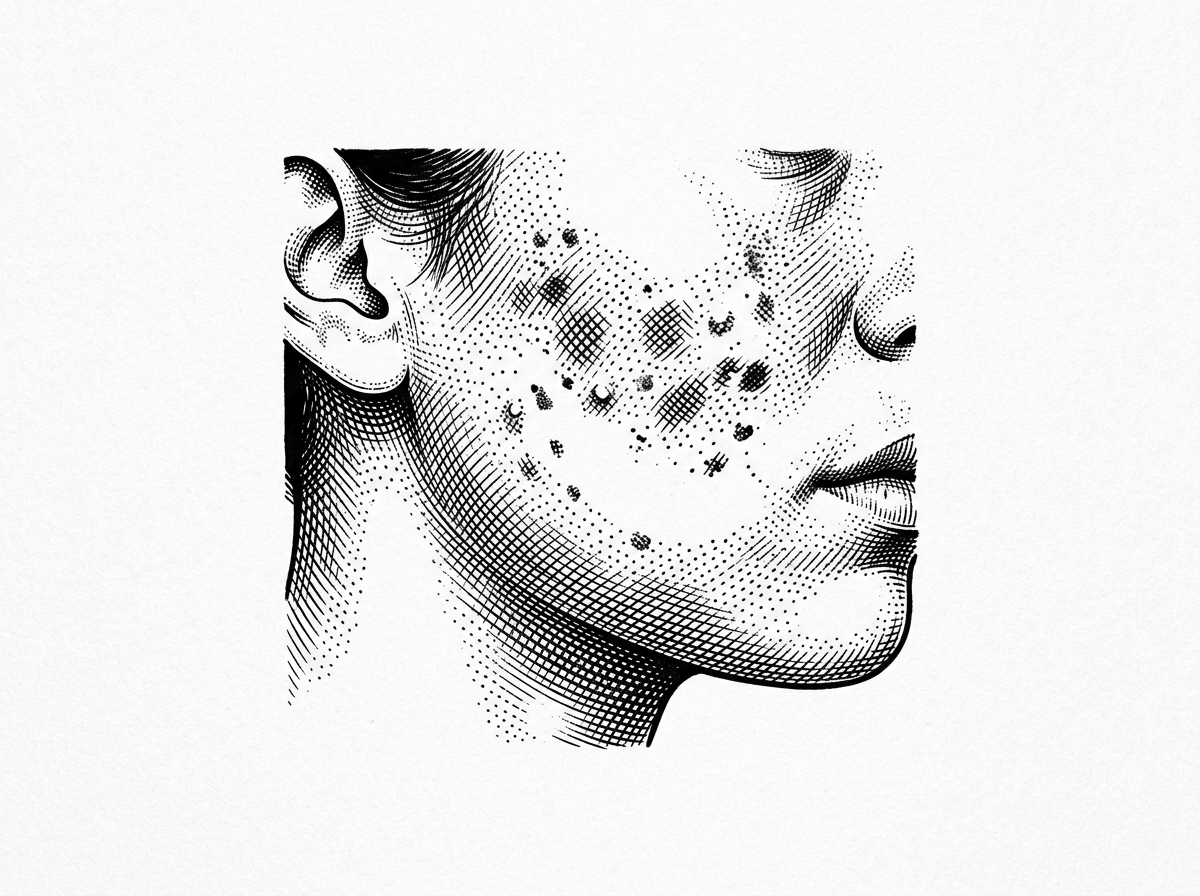
- Atrophic Scars: These are depressions in the skin, commonly caused by acne or chickenpox. Research indicates that atrophic scars occur three times more frequently than keloids or hypertrophic scars. Fractional CO2 and Er:YAG lasers are the gold standard here, as they stimulate the "bulk" needed to raise the scar to the level of the surrounding skin.
- Hypertrophic and Keloid Scars: These are raised, often red or purple scars caused by an overproduction of collagen. The Pulsed Dye Laser (PDL) is highly effective at reducing the vascularity (redness) and flattening the tissue. Clinical data shows a 57% to 83% improvement in hypertrophic scars after just one or two PDL treatments.
- Acne Vulgaris: Acne affects up to 80% of individuals aged 11 to 30 and is the most common cause of permanent scarring. A combination of fractional resurfacing and vascular lasers is often used to address both the texture and the post-inflammatory erythema (redness).
- Burn Contractures: For burn survivors, scars can limit movement. Aggressive fractional CO2 treatment can "bore" tiny holes into the thick scar tissue, allowing it to soften and rearrange its collagen fibers, which significantly improves the range of motion.
Before proceeding, patients should review 10 things to know before having laser treatment for your scar to ensure they are prepared for the multi-month journey of remodeling.
A Guide to Modern Scar Revision Technologies
The "tech" in laser scar revision is constantly evolving. Understanding the specific wavelengths can help patients discuss options with their providers.
Pulsed Dye Laser (PDL)
Operating at 585nm or 595nm, the PDL targets hemoglobin. It is the primary tool for erythematous (red) surgical scars. By collapsing the tiny blood vessels feeding the scar, the PDL starves the scar of the oxygen and nutrients it needs to grow, leading to a softer, flatter, and less itchy lesion.
Nd:YAG (1064nm)
The 1064nm Nd:YAG laser penetrates deeply into the dermis. It is often used for non-ablative remodeling. Studies have shown a 40% to 45% improvement in atrophic scars after an average of three consecutive monthly treatment sessions using 1320-nm Nd:YAG or 1450-nm diode lasers.
Fractional CO2 (10,600nm)
This is the "workhorse" for traumatic and surgical scars. In a study of atrophic traumatic scars, 70% of patients showed significant clinical improvement after six monthly sessions of fractional CO2. Advanced modes like "SCAAR FX" allow the laser to reach depths of up to 4mm, which is essential for treating deep, contracted burn scars.
Er:YAG (2940nm)
The Erbium laser is highly absorbed by water in the skin. This allows for very precise, "cold" ablation with minimal heat spread to surrounding tissue. In a split-scar trial, 94% of patients preferred the side of the scar treated with fractionated Er:YAG compared to fully ablative Er:YAG, citing easier healing and better results.
Clinical Considerations and Patient Selection
Choosing the right technology is only half the battle; the other half is choosing the right candidate. A patient's skin type is the most significant factor in determining safety.
Fitzpatrick Skin Typing
The Fitzpatrick scale classifies skin from Type I (very fair, always burns) to Type VI (deeply pigmented, never burns). Darker skin types (IV-VI) have a much higher risk of post-inflammatory hyperpigmentation (PIH) or hypopigmentation (loss of color) after laser treatment.
Clinical data indicates that transient hyperpigmentation occurs in approximately 45.5% of patients with Fitzpatrick types III-V, though 90% of these cases resolve within three months. For these patients, non-ablative lasers or lower-density fractional settings are typically safer.
Contraindications and Risks
Not everyone is a candidate for laser treatment for scars. Key contraindications include:
- Recent Oral Retinoids: Use of certain acne medications within the last 6 to 12 months can impair healing and increase scarring risk.
- Active Infections: Laser treatment should never be performed over active acne, cold sores, or skin infections.
- Pregnancy and Breastfeeding: Due to a lack of safety data, most providers defer treatment.
- Immunosuppression: Conditions that weaken the immune system can lead to poor wound healing and increased infection risk.
Preparation and Safety Protocols
Optimal results begin weeks before the laser ever touches the skin. Providers usually recommend a 2-to-4-week lead time for preparation.
- Sun Avoidance: This is non-negotiable. Tanned skin has "activated" melanocytes, which significantly increases the risk of burns and permanent discoloration.
- Smoking Cessation: Patients should quit smoking at least 2 weeks before the procedure. Smoking impairs the skin’s ability to heal by restricting blood flow, which can lead to poor results or even new scarring.
- Medication Review: Stop taking products that increase light sensitivity or bleeding, such as aspirin, vitamin E, and certain herbal supplements.
- Topical Adjustments: Avoid products containing glycolic acid or retinoids for 2 to 4 weeks prior to treatment, as these can make the skin overly sensitive.
- Prophylactic Antivirals: For those with a history of cold sores (HSV), doctors often prescribe antiviral medication to prevent a breakout triggered by the laser's heat.
Recovery, Risks, and Long-Term Management
The recovery phase is where the actual "healing" happens. Immediately after the procedure, the treated area may feel like a severe sunburn.
The Healing Timeline
- Hours 1–6: Intense stinging or heat. Cool packs or moist cloths can help.
- Days 1–3: Swelling and redness are at their peak. For ablative treatments, the skin may "weep" or crust.
- Days 3–10: The skin begins to peel or flake. This is the re-epithelialization phase.
- Weeks 2–4: The skin may remain pink or red. This is a sign of increased blood flow to the area as remodeling continues.
Essential Aftercare
To minimize complications like infection or scarring, patients must follow strict at-home care instructions:
- Moisturize: Apply a gentle, occlusive moisturizer (like petroleum jelly or specialized healing balms) at least twice daily. This keeps the skin moist and prevents scabbing, which can lead to further scarring.
- Gentle Cleansing: Wash the area 2 to 5 times per day with saline or a very mild, fragrance-free cleanser.
- Sun Protection: Once the skin has healed, daily application of a broad-spectrum SPF 30+ sunscreen is mandatory for at least 3 to 6 months to protect the new, vulnerable tissue.
Frequently Asked Questions about Laser Scar Revision
How many sessions are typically required?
While some patients see improvement after a single session, most require a series of treatments. Clinical evidence suggests:
- Hypertrophic scars: 1 to 3 sessions of PDL.
- Atrophic/Acne scars: 3 to 6 sessions of fractional laser.
- Burn scars: Ongoing therapy may be needed over several months or years to maintain mobility.
Sessions are typically spaced 4 to 8 weeks apart to allow the skin to complete a full cycle of collagen remodeling.
Is the procedure painful?
Pain tolerance varies, but most patients describe the sensation as a "rubber band snapping" against the skin. For non-ablative treatments, a topical numbing cream applied 30 to 60 minutes prior is usually sufficient. For more aggressive ablative procedures, providers may use local anesthetic injections, nerve blocks, or even light sedation to ensure patient comfort.
What are the realistic outcomes?
It is crucial to understand that laser treatment for scars is a revision, not a removal. While studies show that 83% of patients prefer fractional laser over other modalities, the goal is "improvement," not "perfection." Most clinical trials define success as a 50% to 75% improvement in texture, height, and color.
Conclusion
The field of laser treatment for scars has moved far beyond simple "skin peeling." Today, a board-certified dermatologist can use a sophisticated array of wavelengths to target the specific biology of a scar—whether that means shutting down the blood vessels in a red keloid or "drilling" microscopic columns into a deep acne pit to stimulate new life.
However, the technology is only as good as the provider. Because medical lasers carry risks of burns and permanent pigment changes, choosing a qualified expert is the most important step in the journey. When combined with proper preparation, diligent aftercare, and realistic expectations, laser therapy remains one of the most transformative tools in modern tissue regeneration.
For those looking to explore how the body heals itself and what other options exist beyond the laser, Scar Healing provides independent, science-based resources on the entire spectrum of wound management and skin health.
This content is for informational purposes only and does not constitute medical advice. Consult a qualified healthcare professional for diagnosis and treatment.