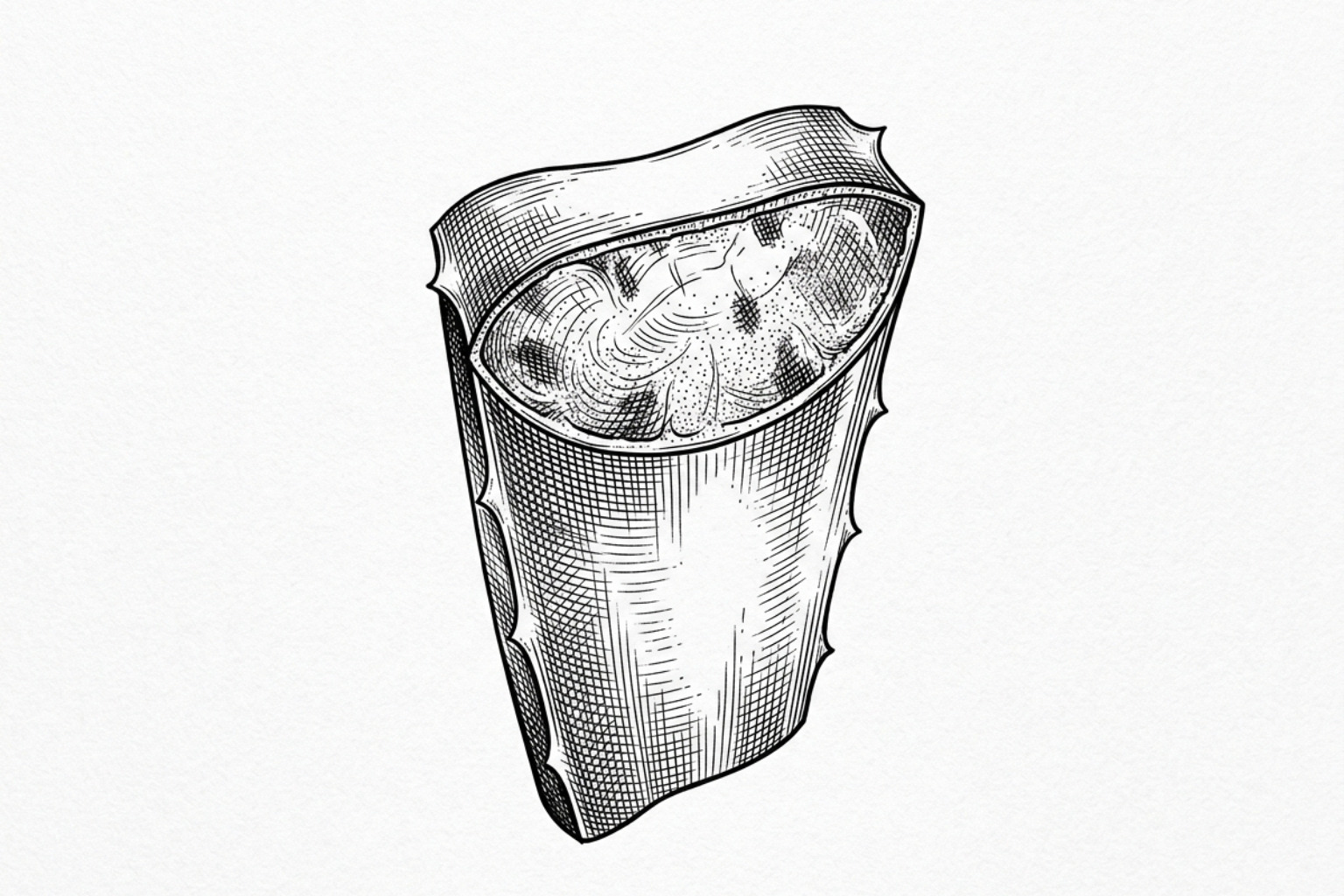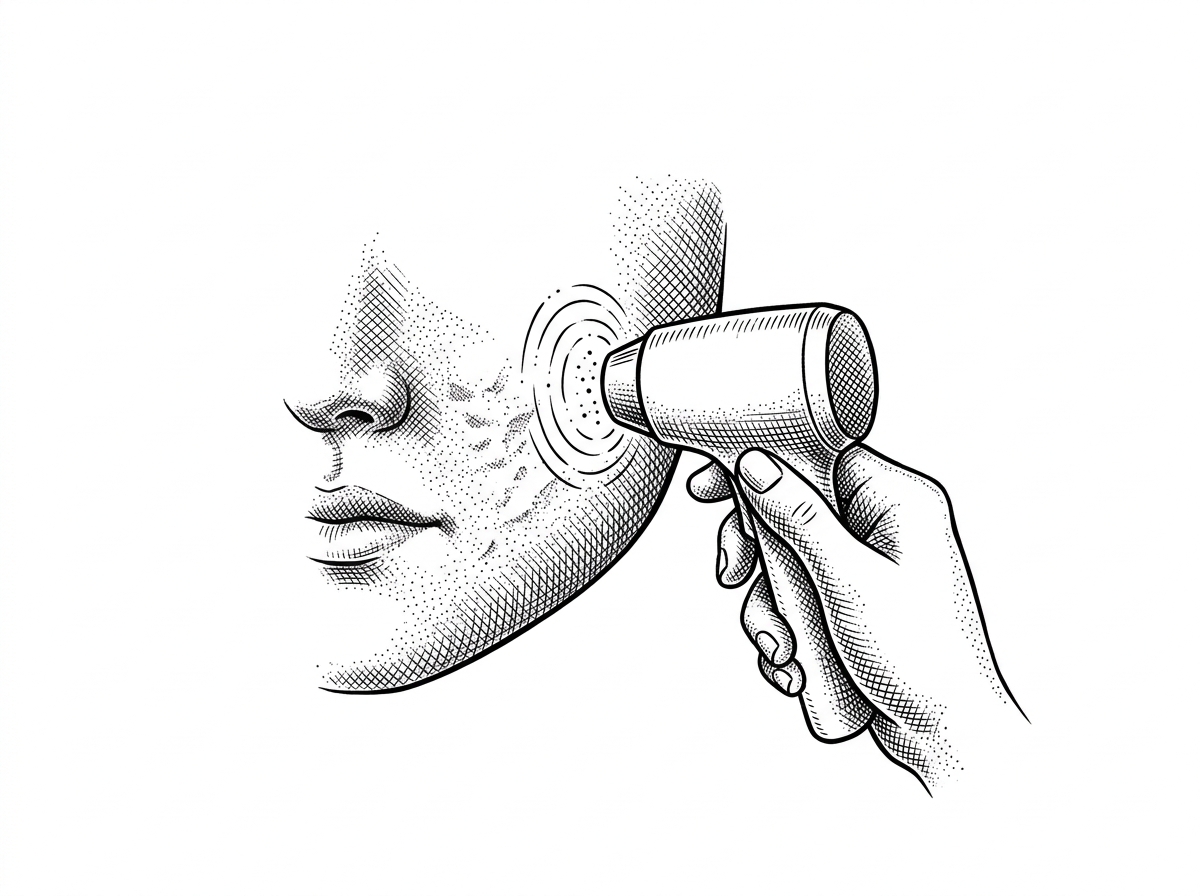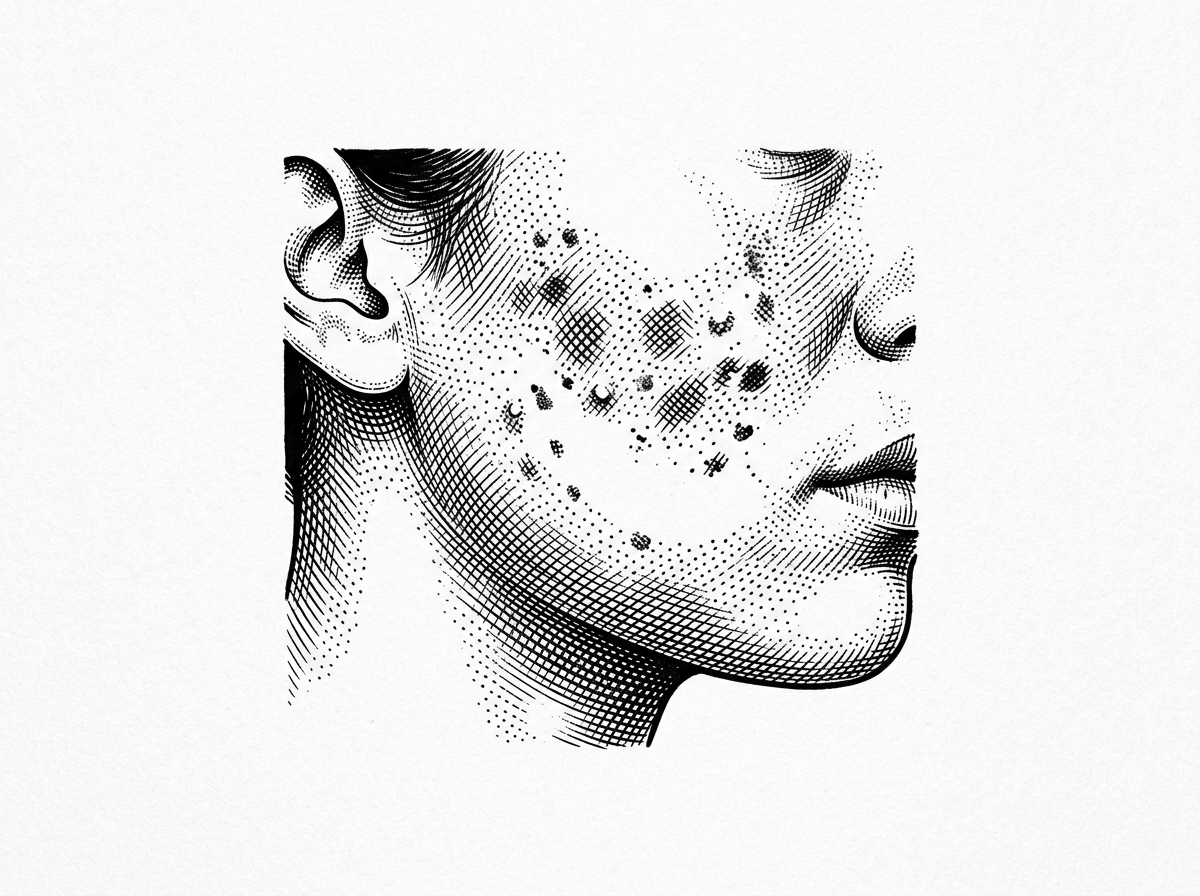
Insights on In-Office Procedures: Is a Chemical Peel Your Best Bet?
Chemical peels are a popular in-office scar treatment, but are they right for you? Explore what clinical evidence says about peel depth, scar type compatibility, and expected results.

What the Evidence Shows About Chemical Peel Scar Revision
Chemical peel scar revision is a clinically established approach that uses controlled acid application to remove damaged skin layers and stimulate dermal remodeling — but its effectiveness depends heavily on scar type, peel depth, and the patient's skin tone.
Here is a quick summary of what the research shows:
| Factor | Key Finding |
|---|---|
| Best scar types | Boxcar, rolling scars, and post-inflammatory hyperpigmentation (PIH) |
| Less effective for | Ice pick scars and raised (hypertrophic) scars |
| Peel depth | Superficial, medium, and deep — matched to scar severity |
| Skin tone risk | Higher risk of hyperpigmentation in Fitzpatrick types IV-VI |
| Comparison to microneedling | A clinical study found microneedling outperformed 35% glycolic acid peels in darker skin types (73% vs. 33% significant improvement) |
| Realistic outcomes | Improvement in texture and tone — not complete scar removal |
| Number of sessions | Superficial peels: 3-5 sessions; medium peels: may repeat every 6-12 months |
Scars — whether from acne, injury, or surgery — affect far more than skin. For many people, visible marks on the face or body create a persistent source of frustration, affecting confidence and daily social interactions. It is understandable that anyone dealing with this would want clear, evidence-based answers about what actually works.
Chemical peels have been used in dermatological practice for decades. At their core, they apply an acid solution to the skin to create a controlled wound, which prompts the body to shed damaged tissue and generate smoother, remodeled skin in its place. According to a comprehensive review published in StatPearls (NCBI, 2023), this process involves intentional epidermal damage that triggers skin regeneration and remodeling to improve both appearance and texture.
But chemical peels are not a single treatment — they span a wide range of agents, depths, and protocols. And they are not equally suited to every scar type or skin tone. Understanding those distinctions is what separates a well-matched treatment from a poor outcome.
This guide reviews the clinical evidence on chemical peel scar revision: how it works biologically, which scars respond best, how different peeling agents compare, and where other treatments may be more appropriate.
How Chemical Exfoliation Promotes Dermal Remodeling
To understand how chemical peel scar revision works, one must look beneath the surface at the skin's biological response to acid. The process is essentially a form of "controlled injury." When a chemical agent is applied, it causes protein denaturation—the unfolding of protein structures in the skin cells—leading to the shedding of the outer layers.
This exfoliation triggers a cascade of healing events. As the epidermis (the top layer) is removed, keratinocyte turnover accelerates, bringing fresh, healthy cells to the surface. However, the most significant changes for scar revision happen in the dermis. The chemical stimulus activates fibroblasts, the "construction workers" of the skin, which begin producing new collagen and elastin fibers. This helps rebuild the extracellular matrix, the structural support system that gives skin its smoothness.
The depth of this remodeling is determined by the agent's pH and pKa levels. A lower pKa indicates a more potent acid, allowing for deeper penetration across the epidermal-dermal junction. By reaching the papillary or even the upper reticular dermis, medium and deep peels can physically "level" the skin, filling in depressions from the bottom up. According to StatPearls Publishing, this remodeling is what ultimately improves the appearance of scarred tissue.
Clinical Efficacy of Chemical Peel Scar Revision for Atrophic Lesions
Atrophic scars—those characterized by a loss of tissue—are the primary targets for chemical peels. These include boxcar scars (broad, well-defined depressions) and rolling scars (shallow, wave-like undulations). Because these scars represent a "dip" in the skin's topography, the goal of treatment is to induce dermal thickening through collagen synthesis.
Research indicates that chemical peels can effectively homogenize skin texture by smoothing the edges of these craters. For many patients looking for a Quick Scar Fading Treatment, superficial peels offer a way to address surface irregularities with minimal downtime. However, to Reduce Acne Scars Fast when the depressions are deeper, more intensive medium-depth peels are often required. A study in the Journal of Clinical and Aesthetic Dermatology highlights that while peels are highly effective for texture, they require careful patient selection to ensure the "biological signaling" leads to organized tissue repair rather than further scarring.
Optimizing Chemical Peel Scar Revision for Boxcar and Rolling Scars
For boxcar and rolling scars, Trichloroacetic acid (TCA) is often the gold standard. TCA works by coagulating skin proteins, a process visible during the procedure as "frosting"—a white, opaque appearance on the skin.
- Level I Frosting: Erythema (redness) with patchy white clouds; indicates superficial penetration.
- Level II Frosting: White coated appearance with erythema showing through; indicates penetration to the papillary dermis.
- Level III Frosting: Solid white enamel appearance; indicates penetration to the upper reticular dermis.
Clinicians often combine peels with subcision—a technique where a needle breaks up the fibrous bands pulling the scar down—to maximize results. This combination addresses both the tethering of the scar and the surface texture simultaneously. According to research on the evolution of peel types, this multi-modal approach is significantly more effective than using peels as a standalone "tool."
Limitations of Chemical Peel Scar Revision for Ice Pick and Hypertrophic Scars
While chemical peels excel at treating broad depressions, they struggle with "ice pick" scars—deep, narrow pores that extend into the deep dermis. A standard full-face peel cannot safely reach the depths required to fix these. Instead, a specialized technique called TCA CROSS (Chemical Reconstruction of Skin Scars) is used. This involves placing high-concentration TCA (70-100%) directly into the pit of the scar to trigger localized collagen growth.
Conversely, chemical peels are generally not recommended for hypertrophic (raised) scars or keloids. Because these scars are already the result of overactive collagen production, adding a chemical injury can sometimes trigger further growth. In these cases, a Surgical Scar Laser Treatment or steroid injections are typically preferred.
Comparative Analysis of Superficial, Medium, and Deep Peeling Agents
Choosing the right agent is a balance between the desired result and the tolerable downtime.
| Peel Type | Common Agents | Target Depth | Typical Recovery |
|---|---|---|---|
| Superficial | Glycolic, Salicylic, Lactic Acid | Epidermis | 3–7 days |
| Medium | 35% TCA, Jessner’s + TCA | Papillary Dermis | 7–14 days |
| Deep | Phenol-Croton Oil | Reticular Dermis | 14–21+ days |
Superficial peels, often called "lunchtime peels," use Alpha Hydroxy Acids (AHAs) like glycolic acid or Beta Hydroxy Acids (BHAs) like salicylic acid. These are excellent for mild acne and pigment issues. Medium peels often utilize Jessner’s solution (a mix of salicylic acid, lactic acid, and resorcinol) to prep the skin before applying TCA. Deep peels, using phenol, provide the most dramatic results but carry significant risks, including heart rhythm changes during the procedure, and are rarely used for simple scar revision today. Basic chemical peeling guidelines emphasize that medium-depth peels offer the best "risk-to-reward" ratio for most scar patients.
Impact of Fitzpatrick Skin Phototype on Treatment Safety and Outcomes
Skin tone is perhaps the most critical factor in the safety of chemical peel scar revision. The Fitzpatrick scale categorizes skin from Type I (very fair, always burns) to Type VI (deeply pigmented, never burns).
Patients with Fitzpatrick types IV-VI have more active melanocytes (pigment-producing cells). When these cells are "injured" by a chemical peel, they may react by overproducing melanin, leading to Post-Inflammatory Hyperpigmentation (PIH). Conversely, deep peels can cause hypopigmentation (permanent skin lightening).
A notable Rutgers study found that for patients with darker skin tones, microneedling was significantly more effective and safer than 35% glycolic acid peels. In the study, 73% of microneedling patients saw a two-point improvement in their scarring, compared to only 33% of those receiving peels. For those with darker skin, exploring Dark Scar Removal Methods that do not rely on heat or aggressive acids is often a safer path.
Chemical Peels vs. Microneedling and Laser Therapy: A Research Review
How do peels stack up against the competition?
Microneedling for Scar Reduction uses mechanical needles to create channels, which is often preferred for darker skin as it avoids the risk of chemical burns. Laser Treatment for Scars Complete Guide explains that lasers use light energy to vaporize tissue or heat the dermis. CO2 Laser Scar Removal is generally considered the most powerful tool for scar revision but comes with the longest downtime and highest cost.
According to a review on in-office scar revision, the "best" bet is often a hybrid protocol. For example, using a laser to level the edges of a scar (topography) followed by a medium-depth chemical peel to improve overall skin texture and tone.
Comparing Chemical Peel Scar Revision to Energy-Based Devices
While lasers like the Er:YAG offer precision (it has 13–16 times higher water absorption than CO2, allowing for thinner layers of ablation), chemical peels remain a popular choice because they are generally more cost-effective and do not require expensive machinery. For surgical marks, a Laser Treatment for Surgical Scars might be faster, but a series of TCA peels can achieve comparable results for those on a budget.
Clinical Protocols for Preparation, Procedure, and Post-Peel Recovery
Success with chemical peel scar revision starts weeks before the actual appointment.
- Priming: Patients are often started on tretinoin (Retin-A) or hydroquinone 2–4 weeks prior. This thins the stratum corneum for more even peel penetration and suppresses pigment production.
- Prophylaxis: Those with a history of cold sores must take antiviral medication, as peels can trigger a breakout.
- The Procedure: The skin is degreased with acetone, and the acid is applied in layers. A stinging or burning sensation is normal for 5–10 minutes.
- Recovery: Post-procedure erythema (redness) and swelling are expected. As the skin begins to shed, it is vital to use emollients and avoid picking.
For those recovering from specific procedures, such as a C-Section Scar Laser or a deep peel, strict sun protection is non-negotiable for several months to prevent permanent discoloration. Standard guidelines of care suggest that the most common reason for treatment failure is poor post-procedure compliance.
Frequently Asked Questions about Chemical Peels for Scars
How many sessions are typically required for visible scar improvement?
For superficial peels, a series of 3 to 5 sessions spaced 2 to 5 weeks apart is standard. Medium-depth peels may show results after 1 or 2 sessions, but these are typically only performed every 6 to 12 months due to the intensity of the treatment.
What are the primary risks associated with deep phenol peels?
Deep peels carry the risk of cardiotoxicity (heart arrhythmias) due to phenol absorption into the bloodstream. They also have a high risk of permanent hypopigmentation and a long recovery period (up to 3 weeks of initial healing). Because of this, they are increasingly rare in modern scar revision.
Can chemical peels be safely combined with subcision or microneedling?
Yes, and research suggests this is often the most effective way to treat complex scarring. Subcision addresses the structural tethering, while the peel addresses the surface texture. However, these are often sequenced—performing subcision first and allowing the skin to heal before applying a chemical peel.
Conclusion
At Scar Healing, the goal is to provide an evidence-based perspective on skin regeneration. Chemical peels remain a versatile and effective tool for revising boxcar and rolling scars, but they are not a "one-size-fits-all" solution. Success requires matching the depth of the peel to the depth of the scar while respecting the biological limits of the patient's skin type.
Whether one chooses a peel, a laser, or microneedling, the most important step is a consultation with a qualified professional who can assess the specific "biological signal hierarchy" of the scar. For more evidence-based insights into skin health and remodeling, explore more info about scar revision services.
Works Cited
- Al-Waiz MM, Al-Sharqi AI. Medium-depth chemical peels in the treatment of acne scars in dark-skinned individuals. Dermatol Surg. 2002.
- Castillo DE, Keri JE. Chemical peels in the treatment of acne: patient selection and perspectives. Clin Cosmet Investig Dermatol. 2018.
- Chen X, et al. Chemical peels for acne vulgaris: a systematic review of randomised controlled trials. BMJ Open. 2018.
- Khunger N. Standard guidelines of care for chemical peels. Indian J Dermatol Venereol Leprol. 2008.
- Lee KC, et al. Basic chemical peeling: Superficial and medium-depth peels. J Am Acad Dermatol. 2019.
- O'Connor AA, et al. Chemical peels: A review of current practice. Australas J Dermatol. 2018.
- Rendon MI, et al. Evidence and considerations in the application of chemical peels in skin disorders and aesthetic resurfacing. J Clin Aesthet Dermatol. 2010.
- StatPearls Publishing. Chemical Peels for Skin Resurfacing. NCBI Bookshelf. 2023.
This content is for informational purposes only and does not constitute medical advice. Consult a qualified healthcare professional for diagnosis and treatment.