How to Use Aloe Vera to Lighten and Smooth Your Scars
Aloe vera is one of the most popular natural remedies for scars. We look at what the research says about its anti-inflammatory and moisturizing benefits for damaged skin.

Does Aloe Vera Actually Reduce Scars? What the Research Says
Aloe vera scar reduction is one of the most searched natural skincare topics — and for good reason. Scars from acne, surgery, or injury can linger for months or years, affecting how people feel about their skin and their confidence in daily life.
Here is a quick summary of what the evidence currently shows:
| Question | Short Answer |
|---|---|
| Does aloe vera reduce scars? | Evidence suggests it can improve scar appearance, texture, and pigmentation — but results vary |
| How does it work? | It modulates inflammation, stimulates collagen remodeling, and inhibits excess melanin production |
| Which scar types respond best? | Acne scars, burn scars, and postoperative scars have the most supporting research |
| How long until results? | Most studies use 4–12 week timelines; skin cell turnover alone takes 28+ days |
| What concentration works? | Research in animal models points to 25–50 mg/mL as an effective dose range |
| Is it safe? | Generally well tolerated; patch testing is recommended before widespread use |
Aloe vera (Aloe barbadensis Miller) has been used medicinally for thousands of years. Modern research has begun to explain why it appears to work on scar tissue — pointing to specific bioactive compounds inside the gel that influence the wound healing process at a cellular level.
That said, it is important to be clear from the outset: most of the strongest mechanistic evidence comes from animal studies and small clinical trials. Human data is promising but still limited in scope. Aloe vera is not a guaranteed fix — it is a biologically plausible, evidence-informed option that works best when applied consistently and with realistic expectations.
The sections below cover the science, the practical application method, how aloe vera compares to clinical treatments, and what to do if results plateau.
The Biological Mechanisms of Aloe Vera Scar Reduction
To understand how aloe vera influences scars, one must first look at the biology of skin repair. When the dermis is injured, the body rushes to close the gap. This process involves fibroblasts—specialized cells responsible for creating the extracellular matrix and collagen.

Research indicates that aloe vera acts as a biological modulator during the three main phases of healing: inflammation, proliferation, and remodeling. In the proliferation phase, aloe vera has been shown to increase the rate of epithelialization (the growth of new skin over a wound) and wound contraction.
Furthermore, clinical reviews of topical aloe suggest that it helps maintain skin moisture by reducing transepidermal water loss (TEWL). A hydrated environment is critical for scar remodeling because it prevents the overproduction of collagen that leads to raised, hard scars. By increasing the levels of glycosaminoglycans (like hyaluronic acid), aloe vera helps keep the "scaffold" of the healing skin flexible and organized.
Molecular Components and Tissue Repair
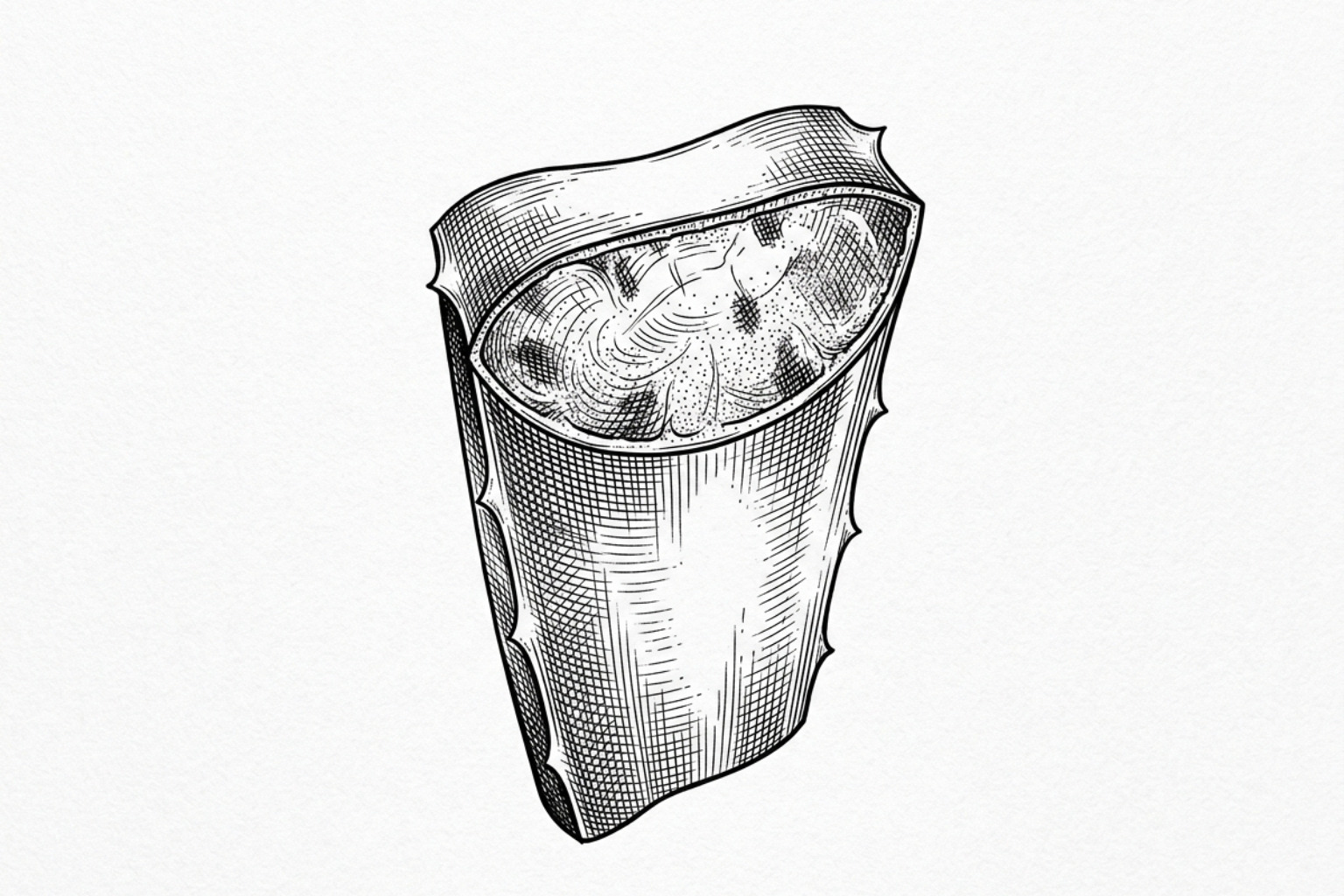
The gel inside an aloe leaf is roughly 99% water, but the remaining 1% contains over 200 active compounds. Key among these are mannose-6-phosphate and glucomannan. Clinical evidence suggests these plant sugars bind to growth factor receptors on fibroblasts, effectively "turning on" the cells' repair machinery. Another compound, gibberellin, acts as a growth hormone that increases protein synthesis, further supporting the structural integrity of new tissue.
Impact on Collagen Composition
A scar is essentially a "quick fix" of collagen. While healthy skin has a balanced mix of Type I and Type III collagen, scarred skin often has an overabundance of Type I (up to 80% in acne scars) or disorganized Type III fibers. One study on scar collagen found that higher concentrations of aloe vera gel (specifically 50%) significantly improved the thickness and alignment of collagen tissue. By promoting a more "basket-weave" alignment rather than a tangled mess of fibers, aloe vera may help the scar blend more seamlessly with the surrounding skin.
How Aloe Vera Influences Different Scar Types
Not all scars are created equal, and the effectiveness of aloe vera scar reduction often depends on the type of lesion being treated.
| Scar Type | Characteristics | Aloe Vera's Potential Role |
|---|---|---|
| Hypertrophic | Raised, red, stays within wound boundaries | Reduces inflammation and improves pliability |
| Keloid | Raised, grows beyond the original wound | May help prevent formation; limited effect on existing keloids |
| Atrophic (Acne) | Pitted or sunken (ice pick, boxcar) | Stimulates collagen to "fill" depressions; lightens pigment |
| Contracture | Tight skin, often from burns | Deeply moisturizes to improve range of motion |
Managing Acne Scars with Aloe Vera
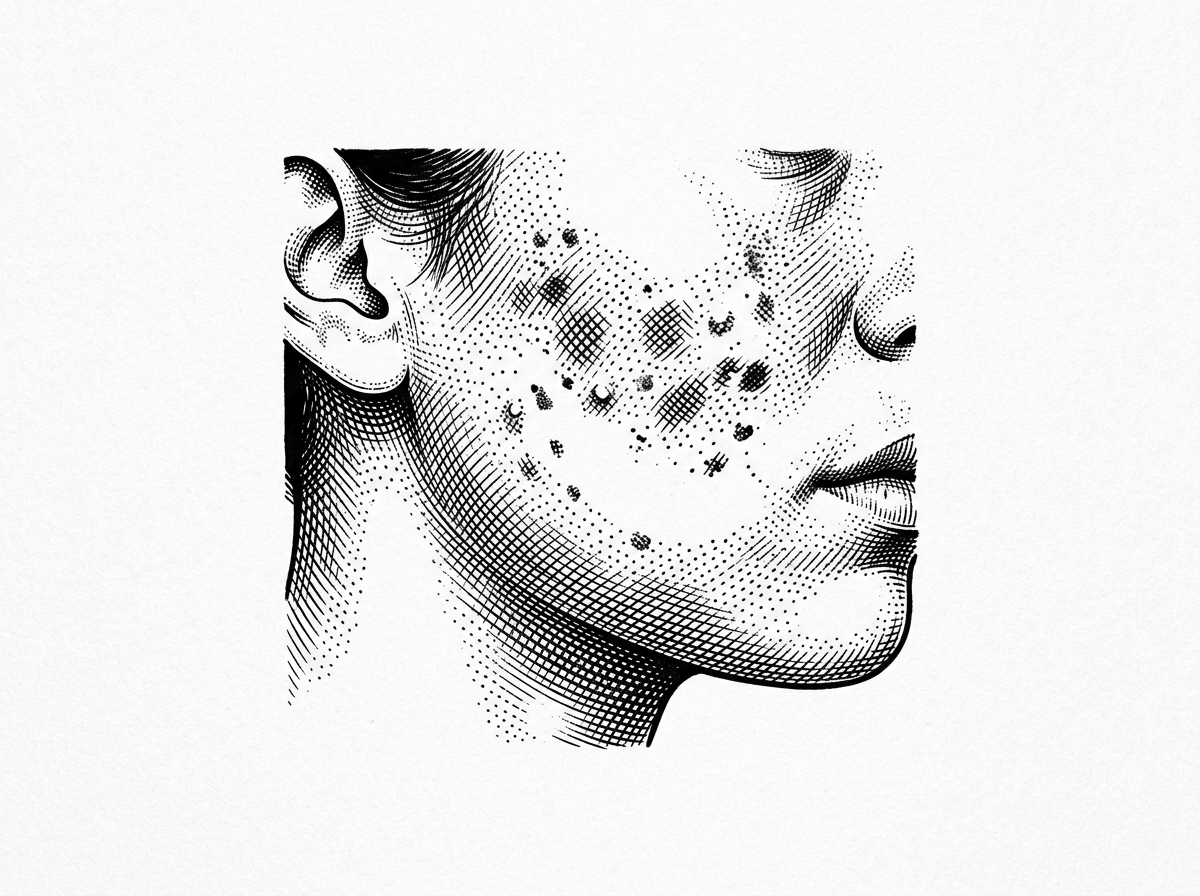
Acne often leaves behind two types of marks: physical pits (atrophic scars) and dark spots (post-inflammatory hyperpigmentation). Aloe vera contains a compound called aloesin. According to a systematic review on hyperpigmentation, aloesin inhibits the overproduction of melanin. When applied to dark acne marks, it can help fade the discoloration. Because pure aloe is noncomedogenic (it won't clog pores), it is generally safe for acne-prone individuals to use without fear of triggering new breakouts.
Clinical Evidence for Surgical and Burn Scars
For those recovering from surgery, preventing a hypertrophic scar is the primary goal. A randomized clinical trial compared a silicone gel containing aloe vera and onion extract to traditional silicone gel sheets. The study found that the aloe-infused gel was comparable to the "gold standard" sheets in preventing raised scars and was actually superior in improving scar pliability (softness). In burn care, meta-analyses suggest aloe can speed up the healing of second-degree burns by approximately 4.4 days, which inherently reduces the risk of severe scarring.
Step-by-Step Guide to Applying Aloe Vera for Scarring
To get the most out of aloe vera scar reduction, application technique matters as much as the product itself. Proper care ensures the bioactive ingredients penetrate the dermal layers.
- Cleanse: Gently wash the area with mild soap and warm water to remove debris and oils. MedlinePlus guidelines emphasize that a clean environment is vital for any wound or scar treatment.
- Apply: Use a generous amount of pure aloe vera gel.
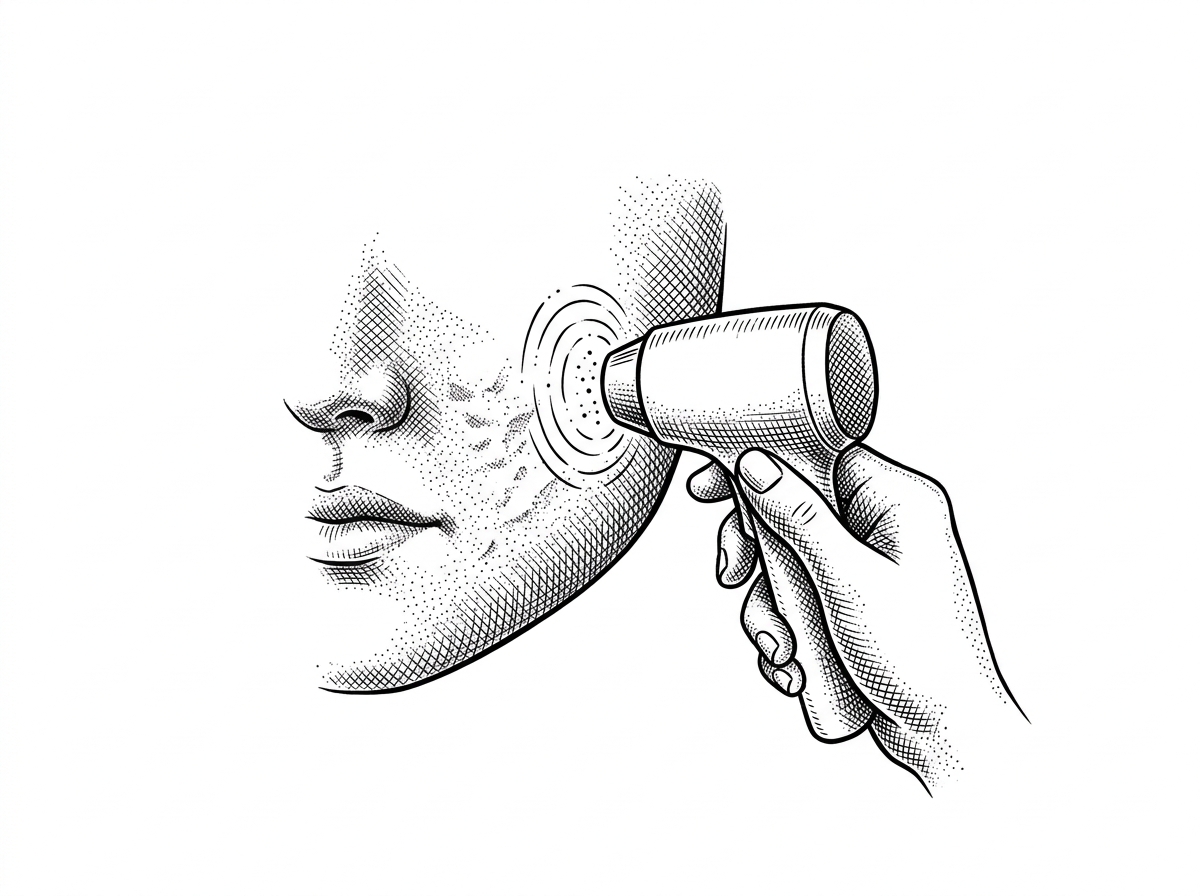
- Massage: This is a critical, often skipped step. Use firm, circular motions with your fingertips to massage the gel into the scar for 2–3 minutes. This mechanical action helps break up dense collagen fibers and increases blood flow to the site.
- Dry and Repeat: Allow the gel to dry completely before covering with clothing. Apply 2–3 times daily.
Optimizing Aloe Vera Scar Reduction Results
Patience is the most important "ingredient." Human skin undergoes a natural turnover cycle roughly every 28 days. Therefore, visible changes in a scar's texture or color rarely appear before the first month of consistent use. Clinical benchmarks for hypertrophic scars often use a 12-week window to measure significant improvement. If the scar is new, starting treatment as soon as the wound has fully closed (and the scab has fallen off) provides the best chance of preventing a permanent mark.
Selecting High-Quality Aloe Products
The "aloe vera gel" found in the sun-care aisle is often filled with green dyes, alcohol, and fragrances that can irritate sensitive scar tissue. When shopping, look for:
- 100% Pure Aloe Vera: The first ingredient should be Aloe barbadensis leaf juice.
- Alon-free: This ensures the latex part of the plant (which can be an irritant) has been removed.
- Cold-pressed: This extraction method preserves the heat-sensitive enzymes and polysaccharides. Consult the NCCIH safety information for more details on what to look for on labels to avoid potential skin reactions.
Comparing Aloe Vera to Clinical Standard Treatments
While aloe vera is a potent natural aid, it is helpful to see how it stacks up against medical-grade options. Clinical standards like silicone gel sheets are widely considered the most effective non-invasive treatment for raised scars because they provide both hydration and occlusion (pressure). Aloe vera provides the hydration but lacks the occlusive pressure of a sheet.
However, for many, aloe vera serves as an excellent adjunct therapy—something used alongside or in between clinical treatments to soothe the skin and reduce redness.
Synergistic Combinations for Enhanced Healing
Aloe vera often works better when paired with other skin-repairing ingredients:
- Vitamin E: A powerful antioxidant that protects new skin cells from oxidative stress.
- Arbutin: When combined with aloe, arbutin has been shown to lighten hyperpigmentation faster than either ingredient alone.
- Tretinoin: Some research on acne treatment suggests that combining aloe vera gel with tretinoin (Retin-A) reduces the irritation typically caused by retinoids while improving the overall appearance of the skin.
Limitations of Aloe Vera Scar Reduction
It is important to manage expectations. Aloe vera is highly effective for "fresh" scars (less than 6 months old) and surface-level marks. However, deeply pitted acne scars or very old, white (mature) scars may not respond to topical treatments alone. In these cases, professional interventions such as laser resurfacing, microneedling, or corticosteroid injections may be required to see significant change.
Frequently Asked Questions about Aloe Vera and Scars
How long does it take to see visible improvements in scar texture?
Typically, it takes 4 to 8 weeks of twice-daily application to notice a change in texture. Pigmentation (redness or darkness) often fades faster than the physical "bump" or "pit" of a scar.
Can aloe vera prevent the formation of keloids after surgery?
While aloe vera can reduce the inflammation that leads to keloids, it is not a guaranteed preventative, especially for those with a genetic predisposition. For high-risk areas, it should be used as part of a broader scar management plan under a surgeon's guidance.
Is fresh plant gel more effective than stabilized commercial aloe vera?
Fresh gel contains the highest concentration of live enzymes, but it lacks preservatives and can spoil quickly. A high-quality, stabilized, 100% pure commercial gel is often more practical for the long-term, consistent application required for scar healing.
Conclusion
Scar-healing.com provides evidence-based information regarding skin recovery. Aloe vera scar reduction is a scientifically supported, low-risk method for improving the appearance of many scar types. By modulating inflammation, supporting collagen organization, and inhibiting excess pigment, this botanical remains a relevant tool in modern dermatology.
Whether dealing with the aftermath of a breakout or a surgical incision, consistency is the primary factor in success. Apply pure gel, massage the tissue, and allow the skin the 12 weeks required to remodel. If progress is not observed after three months of diligent use, a consultation with a dermatologist to explore clinical options is recommended.
This content is for informational purposes only and does not constitute medical advice. Consult a qualified healthcare professional for diagnosis and treatment.